

Children grow quickly, and keeping their wardrobes updated can become an expensive responsibility for parents. One month, a pair of jeans fits perfectly, and a few weeks later, the same jeans suddenly look too short. From everyday T-shirts and comfortable pajamas to school uniforms, jackets, dresses, and seasonal outfits, children need different types of clothing throughout the year. The challenge is finding clothes that look attractive, feel comfortable, and fit within a reasonable household budget. This is where smart shopping habits can make a meaningful difference.
Table of Contents
ToggleThe Children’s Place is a popular children’s clothing retailer offering a wide selection of apparel, footwear, accessories, and everyday essentials. Its collection covers different age groups and clothing needs, making it convenient for parents who prefer shopping for multiple wardrobe essentials in one place. However, buying everything at regular prices isn’t always necessary. With a little planning, careful price comparison, and an understanding of available promotions, families can make their clothing budgets go further.
The secret isn’t simply buying the cheapest products. It’s choosing useful clothing, recognizing genuine discounts, understanding sizing, and avoiding unnecessary purchases. Whether you’re preparing for a new school year, updating your child’s winter wardrobe, or shopping for everyday outfits, the following strategies can help you enjoy a more affordable shopping experience at The Children’s Place.
Understanding The Children's Place and Its Clothing Collection
The Children’s Place is a popular children’s clothing retailer offering a wide selection of apparel, footwear, accessories, and everyday essentials. Its collection covers different age groups, making it convenient for parents who prefer shopping for multiple wardrobe essentials in one place. From simple everyday basics to outfits for birthdays and family celebrations, shoppers can explore different styles depending on their children’s requirements.
One advantage of shopping at a retailer with a broad collection is the opportunity to coordinate purchases. For example, parents shopping for school clothes can look for shirts, trousers, socks, and other useful essentials during the same shopping session. Similarly, families preparing for colder weather can compare jackets, sweaters, and comfortable layering pieces together. Rather than purchasing individual products whenever a need appears, shoppers can plan a complete wardrobe around their children’s everyday activities.
The Children’s Place also offers access to related brands, including Gymboree, Sugar & Jade, and PJ Place. Its shopping experience includes online browsing, promotional notifications, and loyalty-program features. This variety makes it easier for parents to explore different clothing styles and compare options before making purchasing decisions.
Popular Clothing Categories for Children
Some of the most useful categories to explore include:
- Everyday clothing: T-shirts, leggings, jeans, shorts, and casual tops.
- School essentials: Uniform shirts, trousers, skirts, socks, and backpacks.
- Sleepwear: Pajama sets and comfortable nightwear.
- Seasonal clothing: Jackets, sweaters, coats, and lightweight summer outfits.
- Special occasion outfits: Dresses, dress shirts, coordinated sets, and accessories.
- Footwear and accessories: Shoes, hats, belts, and other wardrobe additions.
Understanding these categories helps parents focus on products that serve a real purpose instead of getting distracted by every attractive new arrival.
Why Smart Shopping Matters for Growing Kids
Children’s clothing expenses are different from adult clothing expenses because children constantly grow and change their preferences. A shirt purchased at the beginning of a school year might not fit comfortably by the next season. Parents may also need additional clothing because children participate in outdoor activities, sports, school events, and family occasions. When these expenses happen throughout the year, even relatively inexpensive purchases can become a significant part of the household budget.
Smart shopping helps families control these expenses without sacrificing comfort or style. Imagine purchasing five useful clothing items during a seasonal sale instead of buying five similar products at full price. The money saved could go toward shoes, school supplies, or another important family expense. Small savings on individual purchases can become meaningful when repeated consistently.
Another reason smart shopping matters is that children often need clothing for different weather conditions. Summer outfits, winter layers, rainwear, and transitional clothing all serve different purposes. Buying everything at once without considering seasonal requirements can lead to unnecessary spending. Instead, parents can create a practical shopping schedule based on upcoming needs.
The Children’s Place offers multiple clothing categories, which makes it easier to compare different options in one shopping session. However, the most important decision is always whether a product is useful, comfortable, and reasonably priced. A low price does not automatically make something a good purchase. The real goal is to spend wisely and build a wardrobe that supports your child’s daily life.
Plan Your Children's Clothing Budget
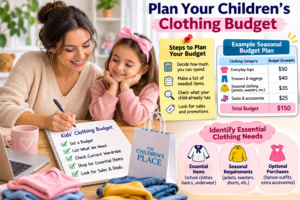
A clothing budget is one of the simplest ways to avoid overspending. Without a spending limit, parents can easily purchase additional outfits because they look attractive or have attractive promotional prices. Unfortunately, these extra purchases may remain unused in the wardrobe. Setting a budget before visiting The Children’s Place helps you concentrate on necessary products and avoid impulse buying.
Start by estimating how much you can comfortably spend on children’s clothing each month or season. Consider upcoming expenses such as school uniforms, birthday celebrations, weather changes, and replacement basics. You don’t need an extremely complicated financial plan. A simple list of expected purchases and their estimated costs is enough to make shopping more organized.
For example, suppose you have a budget of $150 for a seasonal wardrobe update. You might allocate $50 to everyday tops, $40 to trousers and leggings, $35 to seasonal clothing, and $25 to socks and accessories. These figures are illustrative rather than actual store prices. The important point is that every part of your budget has a purpose.
Identify Essential Clothing Needs
Before shopping, check your child’s existing wardrobe. Look for items that no longer fit, clothing that has become damaged, and essentials that need replacement. This prevents duplicate purchases and helps you identify the most important gaps.
You can organize your shopping list into three simple groups:
- Essential items: School clothes, everyday T-shirts, underwear, and comfortable trousers.
- Seasonal requirements: Jackets, sweaters, shorts, or lightweight outfits.
- Optional purchases: Fashionable outfits, extra accessories, and special occasion clothing.
Always prioritize essentials first. If your budget allows, you can explore optional products afterward. This approach keeps your spending organized while ensuring that your child has the clothing they actually need.
Take Advantage of Seasonal Sales and Discounts
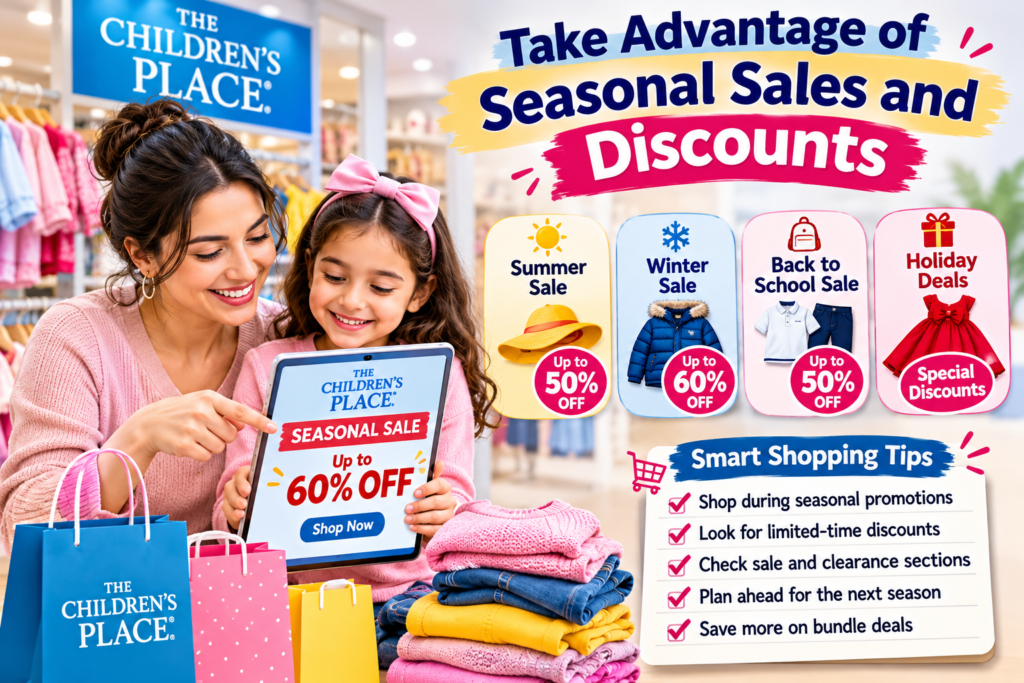
Seasonal sales are excellent opportunities to save money on children’s clothing. Retailers regularly introduce promotions around changing seasons, holidays, and important shopping periods. The Children’s Place features seasonal savings and limited-time promotional offers throughout the year. However, the availability and discount amounts can change, so checking the latest offers before shopping is important.
One useful strategy is to purchase clothing at the end of a season. For example, when summer approaches its end, lightweight clothing may become less expensive as retailers prepare for autumn and winter collections. Parents who plan ahead can take advantage of these markdowns and store suitable clothing for the following year, provided they allow enough room for their child’s growth.
Similarly, winter clothing can sometimes become more affordable toward the end of colder months. Sweaters, jackets, and other seasonal essentials may be available at reduced prices. However, always consider whether your child will still fit into those items next year. Buying a heavily discounted jacket that becomes too small before the next winter isn’t a genuine saving.
The best approach is to combine seasonal planning with realistic size expectations. Focus on products that your child can comfortably use rather than purchasing clothing simply because the discount looks attractive.
Explore Clearance and Sale Sections
Clearance sections can be especially useful for parents who want to purchase children’s clothing at reduced prices. These sections generally feature products that retailers are discounting to make room for new collections. Depending on availability, shoppers may find everyday basics, seasonal outfits, accessories, and selected styles at lower prices.
When browsing The Children’s Place, take time to explore its sale and clearance selections instead of immediately choosing products from the newest collection. You might discover a comfortable pair of jeans or a practical T-shirt that serves the same purpose as a more expensive alternative. This is particularly useful for clothing items that children wear frequently and don’t necessarily need to be the latest fashion.
However, clearance shopping requires patience. Some products may have limited size availability, fewer color options, or styles that are being discontinued. Check the product description carefully and review the available sizes before adding anything to your cart.
Another useful technique is to compare the original price with the final selling price. Don’t assume that every clearance item represents excellent value. Consider fabric, usefulness, expected wear, and whether the product matches your child’s existing wardrobe.
A discounted item is only worthwhile when your child can actually use it. By keeping this principle in mind, you can avoid filling wardrobes with attractive but unnecessary purchases.
Use Promotional Codes and Online Offers
Promotional codes can reduce the final cost of a shopping order when the products and transaction meet the offer’s conditions. The Children’s Place provides coupons, promotions, and special offers through its shopping platform. Depending on the promotion, shoppers may find percentage-based discounts, dollar-off offers, or other limited-time opportunities.
Before completing an order, look for available promotional codes on the retailer’s official promotional pages, promotional emails, or app notifications. Read the terms carefully because some offers require a minimum purchase amount, apply only to selected products, or exclude certain merchandise categories.
For instance, imagine that your shopping cart contains several everyday clothing essentials. A qualifying percentage discount could reduce the merchandise total. However, if a promotion requires spending more money than you originally planned, adding unnecessary products simply to unlock the offer might not be financially sensible.
The Children’s Place also provides different types of offers, including percentage discounts, dollar-off coupons, PLACE Bucks, and My Place Rewards discounts. The conditions for using these promotions may vary.
A few simple habits can make promotional shopping more effective:
- Check whether the promotion is currently active.
- Review the minimum purchase requirement.
- Confirm eligible products and brands.
- Check the expiration date.
- Make sure the discount appears before submitting your order.
Always use valid promotional information rather than assuming that a code found on an unrelated website is genuine.
Join Rewards Programs and Email Updates
Loyalty programs can provide additional value to families who regularly purchase children’s clothing. The Children’s Place operates a program called My Place Rewards, which allows eligible members to earn points on qualifying purchases and redeem rewards according to the program’s terms.
Members can earn points and redeem eligible rewards, including a $5 discount for every 100 points earned, subject to the program’s applicable conditions. The program also provides promotional opportunities and additional benefits depending on membership status.
Joining a rewards program can be useful if you already shop regularly at the retailer. Instead of ignoring the points earned from purchases, you can track them and plan to use available discounts on future clothing essentials.
Email updates and promotional notifications are another helpful resource. They can inform shoppers about new collections, seasonal sales, and special promotions. Rather than checking the website every day, you can receive information about selected offers directly.
One important detail to remember is that My Place Rewards eligibility and redemption rules are primarily designed for qualifying U.S. customers and transactions. Certain rewards and coupons may not apply to international orders. Always check the destination-specific terms before relying on these benefits.
Shop During Major Holiday Sales
Major shopping events can create excellent opportunities to purchase children’s clothing at lower prices. Events such as Black Friday, Cyber Monday, and back-to-school shopping periods are commonly associated with retail promotions. The Children’s Place also features special offers during major shopping periods, although specific discounts and eligible products vary.
The most effective way to shop during these events is to prepare a list before the promotions begin. Identify the clothing your child actually needs, check regular prices where possible, and compare the available offers when the event starts. This makes it easier to recognize meaningful savings rather than being influenced by promotional messages.
Back-to-school shopping deserves particular attention because families often need multiple items within a short period. Uniforms, trousers, shirts, socks, and comfortable everyday clothing can add up quickly. Shopping early may provide more size choices and reduce the pressure to purchase whatever remains available at the last minute.
Holiday shopping can also be useful for parents preparing gifts for birthdays, family gatherings, and celebrations. However, avoid purchasing clothing too far in advance if you are uncertain about sizing.
The key is to treat holiday promotions as opportunities to purchase planned essentials, not as reasons to increase your shopping budget.
Buy Clothing in Bundles and Multipacks
Multipacks and coordinated clothing sets can offer better value than purchasing every item separately. Children need several basic pieces throughout the week, especially T-shirts, socks, leggings, and underwear. Buying these essentials together can simplify shopping and sometimes reduce the average cost per item.
For example, imagine comparing a multipack containing three T-shirts with three individually priced T-shirts. If the multipack offers a lower total cost, it may be the more economical choice. However, always compare the actual unit price rather than assuming that bundled products are automatically cheaper.
Multipacks are especially practical for younger children who frequently change clothes because of outdoor play, food spills, and everyday activities. Having additional basics available can reduce the need for emergency shopping.
Coordinated outfits can also make getting dressed easier. A few neutral-colored shirts and comfortable trousers can be combined in different ways, creating multiple outfits without requiring a large wardrobe.
Before buying a bundle, consider the following:
- Are all the included items useful?
- Are the colors suitable for your child’s wardrobe?
- Is the fabric comfortable?
- Does the pack offer a genuine price advantage?
- Are the available sizes appropriate?
A good multipack should provide convenience and value rather than simply increasing the number of items you own.
Choose Versatile Clothing for Everyday Use
Versatile clothing is one of the best ways to reduce children’s wardrobe expenses. Instead of purchasing separate outfits for every activity, parents can choose clothing that works across several situations. For example, a simple pair of jeans can be worn with different T-shirts, sweatshirts, and casual shirts. Similarly, leggings can be paired with tunics, tops, and comfortable sweaters.
Neutral colors such as navy, black, grey, white, and beige are particularly useful because they coordinate easily with different wardrobe pieces. This doesn’t mean that children’s clothing should be boring. Bright colors, playful patterns, and fashionable designs can still be included, but combining them with basic essentials makes the wardrobe more flexible.
The Children’s Place offers various everyday clothing categories that can help parents create practical combinations. Rather than buying a complete matching outfit every time, consider how each product will work with clothing your child already owns.
For example, purchasing two pairs of versatile trousers and four different tops can create several combinations for everyday use. This approach helps parents get more value from each purchase while giving children different outfit choices.
Another advantage of versatile clothing is that it can reduce decision-making time during busy mornings. When most wardrobe pieces coordinate naturally, children can choose outfits more independently.
Understand Children's Sizes Before Purchasing
Incorrect sizing is one of the most frustrating problems associated with online children’s clothing shopping. A product may look attractive, have an excellent price, and appear perfect in photographs, but it becomes a poor purchase if it doesn’t fit comfortably.
Children grow at different rates, so choosing clothing based only on age can be unreliable. One child may fit comfortably into a particular size while another child of the same age may need a larger or smaller option.
Before ordering from The Children’s Place, consult the product’s available size information and measurement guidance. Where possible, measure your child’s chest, waist, height, and other relevant dimensions. Compare these measurements with the retailer’s current size chart rather than relying entirely on age labels.
It’s also useful to think about the type of clothing you’re purchasing. A fitted shirt may require a different fit consideration than relaxed pajamas or an oversized sweatshirt. Read product descriptions to understand whether an item has a slim, regular, or relaxed fit.
Parents should also avoid purchasing excessively large clothing just to make it last longer. Children need clothing that allows them to move, play, and participate comfortably in everyday activities.
Taking a few minutes to check sizing can reduce the risk of returns, exchanges, and unnecessary additional expenses.
Compare Prices Before Completing Your Order
Comparing prices is a simple but powerful shopping habit. Even when you prefer The Children’s Place, it’s useful to evaluate whether a product offers good value compared with similar clothing options.
Start by examining the regular price, discounted price, fabric details, and number of items included. A lower-priced product may not necessarily be the best option if it has limited usefulness or does not meet your child’s clothing needs.
You can also compare similar products within the retailer’s collection. For example, if you’re purchasing everyday T-shirts, check different styles and multipacks to determine which option offers the best overall value.
Shipping fees should also be included in your calculations. A product might look inexpensive until additional delivery charges increase the final order total. Check whether the retailer offers a qualifying shipping promotion or an alternative delivery option.
Review the retailer’s shipping, return, and exchange policies before placing your order. Understanding these details can help prevent unexpected costs.
A good comparison focuses on the complete purchase rather than the displayed product price alone. This helps you make informed decisions and avoid spending more than necessary.
Make the Most of The Children's Place Shopping Experience
A successful shopping experience depends on knowing how to use the available shopping tools. The Children’s Place offers an official mobile application that provides access to its clothing collections, promotional notifications, order tracking, and My Place Rewards account information.
The app also helps shoppers check whether selected styles, colors, and sizes are available at nearby stores. Its shopping features can make browsing and comparing products more convenient.
These features can make the shopping process more organized. For example, parents can browse products at home, compare options, and check availability before visiting a physical store. This can reduce unnecessary trips and save valuable time.
Another useful practice is maintaining a favorites list or shopping wishlist. When you find an item your child likes, save it and compare its price with other available options. You can then decide whether to purchase it immediately or wait for a suitable promotion.
Before placing an order, review the retailer’s delivery and return information. Check whether your selected shipping destination is supported and whether the available promotions apply to your order.
The goal is to combine convenience with careful spending. Using shopping tools effectively can help parents make better purchasing decisions without feeling rushed.
Conclusion
Saving money on children’s clothing doesn’t require sacrificing style, comfort, or quality. It requires a more thoughtful approach to purchasing everyday essentials and seasonal outfits. The Children’s Place offers a variety of clothing categories for babies, toddlers, and older children, giving parents several options when updating their children’s wardrobes.
By planning a realistic clothing budget, exploring seasonal sales, checking clearance products, using eligible promotional codes, and understanding loyalty rewards, families can make their shopping expenses more manageable. Buying multipacks, choosing versatile outfits, comparing prices, and checking sizes carefully can provide additional value.
Remember that a discounted product is only a genuine bargain when it serves a purpose. Avoid impulse purchases, consider the complete checkout cost, and focus on clothing your child can comfortably wear.
The smartest shopping strategy is simple: buy what your child needs, compare before purchasing, and make every dollar count. With these habits, shopping at The Children’s Place can become a more organized and budget-conscious experience for the entire family.
Read Also:
Unlocking Wellness: How Your Super DE is Transforming the Superfood Industry
Tiqets: Your Ultimate Ticketing Platform for Seamless Travel and Attraction Bookings
Weight Watchers Online: Achieve Your Health Goals with Personalized Weight Loss Programs
TicketNetwork: Your Go-To Marketplace for Concert, Sports, and Event Tickets
The Rise of Kontist: Smart Banking Solutions for Modern Professionals
Why Novakid Global ARABIC Is a Game-Changer in Digital Language Education
Frequently asked questions
You can save money by shopping during seasonal promotions, exploring clearance collections, checking official coupon offers, and purchasing multipacks. Planning your shopping list and comparing prices before checkout can also help reduce unnecessary expenses. Eligible My Place Rewards members can earn points and redeem discounts according to the program's terms.
Yes. The Children's Place features promotional offers, seasonal sales, clearance products, and selected coupon discounts. However, promotions change throughout the year, so shoppers should check the retailer's current offers and eligibility conditions.
My Place Rewards can be beneficial for eligible customers who regularly shop at The Children's Place and its participating brands. Members can earn points on qualifying purchases and redeem eligible discounts. The program is free to join, but certain benefits and redemption options are restricted by location and program terms.
End-of-season sales, Black Friday, Cyber Monday, and back-to-school shopping periods can provide opportunities to find discounted clothing. Shopping ahead of seasonal changes can also help parents compare prices and find suitable sizes without rushing.
Check your child's measurements before ordering, read product descriptions, compare prices, and review return policies. Avoid purchasing unnecessary products just because they have attractive discounts. Prioritize comfortable, versatile clothing that matches your child's everyday requirements.