Medical branding isn’t just about logos, colors, or catchy slogans. It’s about trust, credibility, and emotional connection—especially in healthcare. When people seek medical solutions, they’re not just buying a service; they’re placing their health in someone’s hands. That’s where Hairguard shines as a powerful example of medical branding done right.
Table of Contents
ToggleLet’s explore why Hairguard stands out and what makes its branding strategy so effective in the healthcare space.
Understanding Medical Branding
What Is Medical Branding?
Medical branding is the process of shaping how patients perceive a healthcare service, clinic, or product. It’s about creating a professional, trustworthy, and compassionate image that reassures people they’re in safe hands.
Think of it like a doctor’s white coat. It doesn’t heal anyone, but it instantly builds confidence.
Why Branding Matters in Healthcare
In healthcare, branding equals trust. Patients don’t want flashy marketing—they want reliability, expertise, and honesty. A strong brand can:
- Build patient confidence
- Increase loyalty
- Improve credibility
- Encourage word-of-mouth referrals
Hairguard understands this perfectly.
Introduction to Hairguard
What Is Hairguard?
Hairguard is a specialized hair restoration and treatment brand that focuses on medical solutions for hair loss. From hair transplants to advanced treatments, Hairguard positions itself as a medical authority, not just a cosmetic service.
Hairguard’s Mission and Vision
Hairguard’s mission is simple:
Provide safe, science-backed, and patient-focused hair solutions.
Their branding reflects professionalism, care, and medical expertise—three things patients value most.
The Power of Trust in Medical Branding
Building Credibility in Healthcare
Trust isn’t built overnight. Hairguard earns it through:
- Professional presentation
- Clear medical messaging
- Doctor-led communication
- Transparent processes
Their brand feels more like a medical clinic than a beauty salon—and that’s a smart move.
Trust as a Conversion Factor
When patients trust a brand, they:
- Book consultations faster
- Follow treatment plans
- Recommend services to others
Hairguard’s branding removes fear and replaces it with confidence.
Clear and Consistent Brand Identity
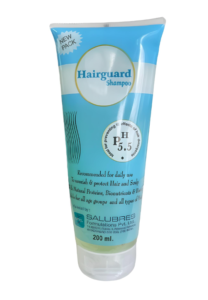
Visual Branding of Hairguard
Hairguard uses:
- Clean medical colors
- Professional typography
- Minimal, clinical design
No loud visuals. No confusing graphics. Just clarity and professionalism.
Tone of Voice and Messaging
Their tone is:
- Calm
- Informative
- Supportive
- Reassuring
It feels like talking to a doctor, not a salesperson.
Professional Medical Positioning
Doctor-Led Image
Hairguard highlights its medical professionals, certifications, and clinical environment. This reinforces their authority and reassures patients.
Science-Backed Messaging
Every treatment is explained with:
- Medical terminology
- Research-based facts
- Realistic outcomes
No fake promises. Just honest medical branding.
Patient-Centric Communication
Speaking the Patient’s Language
Hairguard avoids complicated jargon. Instead, they explain things simply, like:
“Here’s what’s happening to your hair. Here’s how we fix it.”
Simple. Clear. Effective.
Addressing Emotional Concerns
Hair loss affects confidence. Hairguard acknowledges this emotional side by:
- Using empathetic language
- Sharing patient journeys
- Offering emotional reassurance
They treat the person, not just the problem.
Educational Content Strategy
Informative Blogs and Guides
Hairguard publishes helpful content about:
- Hair loss causes
- Treatment options
- Aftercare tips
- Recovery timelines
Education builds trust—and trust builds loyalty.
Medical Awareness Campaigns
They focus on awareness, not just promotion. That’s a big win for medical branding.
Digital Presence and Website Design
User-Friendly Experience
Hairguard’s website is:
- Easy to navigate
- Mobile-friendly
- Clean and professional
No confusion. No clutter.
Trust Signals on the Website
You’ll find:
- Doctor profiles
- Certifications
- Patient testimonials
- Before-after visuals
All designed to reassure visitors.
Transparency in Treatments and Pricing
Honest Communication
Hairguard doesn’t hide behind vague promises. They explain:
- What works
- What doesn’t
- What to expect
Honesty builds long-term trust.
Ethical Branding Approach
No exaggerated results. No misleading claims. Just ethical medical branding.
Use of Testimonials and Reviews
Real Patient Stories
Real people. Real experiences. Real results.
Hairguard uses authentic testimonials that feel genuine—not scripted.
Social Proof in Medical Branding
Seeing others succeed reduces fear and increases confidence.
Social Media and Community Building
Engaging with Patients Online
Hairguard uses social media to:
- Answer questions
- Share educational content
- Highlight success stories
Creating a Supportive Community
Patients don’t feel alone. They feel supported.
Emotional Branding in Healthcare
Connecting Through Empathy
Hairguard understands that hair loss is emotional. Their branding reflects care, not pressure.
Humanizing Medical Services
Doctors feel approachable. The clinic feels welcoming. That’s powerful branding.
Brand Authority in the Hair Treatment Industry
Standing Out in a Competitive Market
Hairguard stands out by focusing on:
- Medical credibility
- Patient trust
- Professional ethics
Establishing Expertise
They position themselves as experts, not sellers.
Future of Medical Branding
Evolving Patient Expectations
Patients now expect:
- Transparency
- Digital convenience
- Personal care
Role of Digital Innovation
Brands like Hairguard lead the way with modern, ethical branding.
Conclusion
Hairguard proves that strong medical branding isn’t about flashy ads—it’s about trust, transparency, and patient care. By focusing on professionalism, education, and emotional connection, Hairguard has built a brand that feels reliable, ethical, and human.
In a world where healthcare decisions are deeply personal, Hairguard shows us how powerful the right branding can be.
Read Also:
Frequently asked questions
Its strong focus on medical credibility, trust, and patient education.
Because patients rely on healthcare providers for their well-being.
Through transparency, expert communication, and real testimonials.
Yes, by focusing on ethical and patient-first branding.
Yes, it requires more trust, credibility, and emotional sensitivity.