
Technology is changing the way people live, work, communicate, and take care of their health. From smart lighting systems that adjust automatically to intelligent healthcare devices that monitor personal wellness, smart technology has moved from being a futuristic idea to an everyday reality. Among the companies contributing to this transformation, Philips US has built a strong reputation for combining innovation, design, and human-centered technology. The company has shifted its focus from traditional electronics toward connected solutions that improve daily experiences in homes, workplaces, and healthcare environments.
Table of Contents
ToggleThe future of smart technology is not only about creating devices with more features. It is about building ecosystems where technology understands users, adapts to their needs, and creates meaningful value. Consumers today expect their devices to be easier to use, more personalized, environmentally responsible, and connected across multiple platforms. Philips US is operating in this changing environment by investing in areas such as smart healthcare, artificial intelligence, connected home solutions, and sustainable innovation.
As digital transformation continues worldwide, the opportunities for smart technology companies are expanding rapidly. According to industry research, the global smart home market continues to experience significant growth as consumers adopt connected lighting, security systems, appliances, and wellness products. The increasing adoption of artificial intelligence and Internet of Things (IoT) technology is creating new possibilities for brands that can deliver reliable and intelligent solutions.
This article explores how Philips US is preparing for the future of smart technology, the major trends shaping the industry, the opportunities available, and the challenges companies must overcome in an increasingly competitive digital world.
Understanding Philips US and Its Role in Smart Technology Innovation
Philips has a long history of technological innovation, beginning as a company focused on lighting solutions and gradually expanding into healthcare, consumer technology, and connected digital experiences. Today, Philips US represents one of the company’s most important markets, where customers use its products across different categories, including personal care, health monitoring, smart lighting, and professional healthcare systems.
The company’s approach to innovation focuses on solving real-world problems rather than simply creating advanced technology. Modern consumers are not only searching for products with impressive specifications; they want solutions that make their lives healthier, easier, and more efficient. This shift has encouraged Philips to develop technologies that combine hardware, software, artificial intelligence, and cloud-based services.
Smart technology has become a bridge between people and digital systems. Similar to how smartphones transformed communication by combining multiple functions into one device, smart home and healthcare technologies are bringing multiple capabilities together into connected ecosystems. Philips US is participating in this transformation by creating products designed to work seamlessly with modern lifestyles.
The company’s future success depends on understanding changing consumer expectations. People increasingly value convenience, personalization, and sustainability. A smart device that simply connects to the internet is no longer enough. Users expect technology to learn their habits, provide recommendations, improve efficiency, and protect their privacy.
The Evolution of Philips from Traditional Electronics to Smart Solutions
Philips has experienced a major transformation over the decades. Earlier generations recognized Philips mainly for televisions, audio equipment, and lighting products. However, the company gradually moved toward specialized technology solutions focused on healthcare, wellness, and connected experiences.
This evolution reflects a broader industry trend where companies are moving from selling individual products to creating complete technology ecosystems. A smart bulb, for example, is no longer just a lighting product. When connected with mobile applications, voice assistants, and automation systems, it becomes part of a personalized living environment.
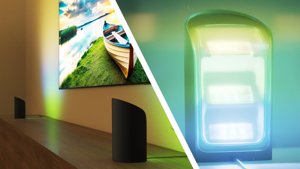
Philips Hue, the company’s smart lighting ecosystem, represents this transition. Smart lighting allows users to control brightness, colors, schedules, and energy usage through digital platforms. These technologies demonstrate how everyday products can become intelligent tools that improve comfort and efficiency.
The company’s healthcare division also shows this transformation. Digital health technologies allow healthcare professionals and patients to access better monitoring, analysis, and decision-making tools. This combination of technology and healthcare represents one of the most important growth areas for the future.
How Philips US Is Shaping Connected Living Experiences
Connected living is becoming one of the biggest trends in consumer technology. Homes are becoming smarter through devices that communicate with each other and respond automatically to user preferences. Philips US is contributing to this movement through smart lighting, personal health products, and connected wellness solutions.
A modern smart home works like an intelligent assistant. It can adjust lighting based on the time of day, support better sleep routines, improve energy efficiency, and create personalized environments. Instead of users controlling every device manually, automation allows technology to handle repetitive tasks.
This approach represents a major change in consumer behavior. People are no longer purchasing isolated gadgets; they are investing in connected lifestyles. The companies that succeed in the future will be those that create simple, reliable, and secure ecosystems.
The Rise of Smart Technology in Modern Consumer Life
Smart technology has become deeply integrated into everyday activities. Consumers use intelligent devices for entertainment, communication, security, fitness, and healthcare. The rapid growth of smartphones, artificial intelligence, cloud computing, and IoT has created a foundation for the next generation of connected experiences.
The popularity of smart technology comes from its ability to save time and improve decision-making. A smart watch can track health information, a smart speaker can manage household tasks, and smart lighting can reduce unnecessary energy consumption. These technologies are becoming valuable because they provide practical benefits rather than only technological excitement.
Philips US operates in several areas where smart technology adoption is accelerating. Healthcare consumers are looking for better ways to manage personal wellness, while homeowners want more control over their living environments. These demands create opportunities for companies that can combine innovation with trust.
Why Consumers Are Moving Toward Connected Devices
Consumer interest in smart devices continues to increase because people want technology that works naturally with their lifestyles. Convenience is one of the biggest reasons behind smart technology adoption. Users prefer devices that can automate tasks, provide recommendations, and reduce daily effort.
Another important factor is personalization. Modern consumers expect experiences designed around their individual preferences. Whether it is customized lighting settings, personalized healthcare insights, or automated routines, smart technology is becoming more user-focused.
Security and sustainability are also influencing buying decisions. Consumers want products that protect their information and help reduce environmental impact. Companies like Philips must continue developing solutions that balance innovation with responsibility.
The Importance of AI, Automation, and Data-Driven Experiences
Artificial intelligence is becoming the foundation of future smart technology. AI allows devices to analyze information, recognize patterns, and make intelligent decisions. This capability transforms ordinary products into adaptive solutions.
For example, an AI-powered health device can identify trends in user behavior and provide personalized recommendations. A smart home system can learn when users prefer certain lighting conditions and automatically adjust settings.
Data plays a critical role in these experiences. However, responsible data management is essential. Consumers need confidence that their personal information is protected. Companies that prioritize transparency and cybersecurity will have a stronger advantage in the future smart technology market.
How Artificial Intelligence Is Transforming Philips Smart Products
Artificial intelligence is changing the definition of smart technology. Devices are becoming more capable because they can understand user behavior and respond intelligently.
AI allows technology to move from simple commands to predictive experiences. Instead of asking a device to perform an action, users can expect the device to anticipate their needs.

AI-Powered Personalization and User Experience
Personalization will become one of the strongest competitive advantages in smart technology. Consumers want products that feel designed specifically for them.
Philips US can use AI to create experiences that adapt based on user preferences, health goals, and lifestyle patterns. This approach can increase customer satisfaction and long-term engagement.
The Growing Importance of Machine Learning in Smart Devices
Machine learning enables devices to improve over time. By analyzing patterns and behaviors, smart systems can become more accurate and effective.
Future Philips products may increasingly use machine learning to optimize performance, provide recommendations, and deliver better user experiences.
Philips US Opportunities in the Expanding Smart Technology Market
The smart technology industry offers significant opportunities for growth. As consumers and businesses continue adopting connected solutions, companies that innovate effectively can gain strong market positions.
Consumer Electronics Growth Opportunities
Consumer electronics are becoming more intelligent and connected. Philips US can explore opportunities by developing products that combine design, functionality, and artificial intelligence.
Healthcare Technology and Digital Health Expansion
Digital healthcare represents a major opportunity because demand for remote monitoring and personalized wellness solutions continues to increase.
Philips US Smart Technology Trends for the Future
The future of Philips US will be influenced by several major technology trends. These trends include artificial intelligence, healthcare innovation, smart home development, sustainability, and personalized digital experiences.
Smart Technology Trend | Impact on Consumers | Opportunity for Philips US |
Artificial Intelligence | More personalized experiences | AI-powered products and services |
Smart Healthcare | Better wellness monitoring | Digital health solutions |
IoT Connectivity | Connected living environments | Smart ecosystems |
Sustainability | Lower energy consumption | Eco-friendly technology |
Automation | Increased convenience | Intelligent device management |
Smart Healthcare and Personalized Wellness Solutions
Healthcare technology is one of the most promising areas for future growth. Consumers are becoming more interested in monitoring and improving their health through digital tools. Smart healthcare devices can provide valuable insights and support preventive care.
Philips US has opportunities to expand healthcare solutions that combine sensors, artificial intelligence, and cloud technology. These innovations can help patients better understand their health while supporting healthcare professionals with improved information.
The future of healthcare will likely become more personalized. Instead of one-size-fits-all solutions, technology will enable customized recommendations based on individual needs. This shift creates significant opportunities for companies with expertise in healthcare innovation.
Smart Home Technology and Connected Living
Smart homes are expected to become increasingly common as consumers adopt connected devices. Lighting, security, entertainment, and wellness systems are becoming integrated into unified digital environments.
Philips US can benefit from this trend by continuing to develop products that are simple, compatible, and user-friendly. Successful smart home technology must remove complexity rather than add it.
Sustainable Technology and Energy Efficiency
Sustainability is becoming a major factor in technology decisions. Consumers and businesses are searching for solutions that reduce energy usage and environmental impact.
Smart lighting systems are a strong example of how technology can support sustainability. Automated lighting controls can reduce unnecessary energy consumption while improving user comfort.
Challenges Philips US Faces in the Smart Technology Landscape
While opportunities are significant, smart technology companies face several challenges. Competition, cybersecurity risks, and changing consumer expectations require continuous innovation.
Data Privacy and Cybersecurity Concerns
Connected devices collect valuable information, making cybersecurity a critical priority. Consumers expect companies to protect their personal data.
Competition in the Global Smart Device Industry
The smart technology market includes many powerful competitors. Philips US must continue differentiating itself through innovation, reliability, and customer trust.
The Future Vision of Philips US in Smart Innovation
The future of Philips US depends on creating technology that improves human experiences. Smart technology will continue evolving from simple connected devices into intelligent ecosystems that support health, comfort, and sustainability.
Companies that successfully combine innovation with responsibility will shape the future digital world. Philips has the opportunity to remain an important player by focusing on meaningful solutions that solve everyday challenges.
Conclusion
Philips US is positioned within a rapidly changing smart technology landscape where artificial intelligence, healthcare innovation, connected homes, and sustainability are becoming central trends. The future of technology is not only about creating smarter devices but about creating better human experiences.
As consumers continue adopting connected solutions, Philips US has opportunities to expand across healthcare, smart living, and sustainable technology markets. By focusing on personalization, security, and innovation, the company can continue building solutions that improve everyday life.
The next generation of smart technology will be defined by products that understand people, adapt to their needs, and create meaningful value. Philips US has the potential to play an important role in shaping this future.
Read Also:
Philips NL & BE – DA and the Future of Online Branding: Key Trends and Insights
How Unity Affiliate Can Support Better Online Promotion and Customer Engagement
Tripcom: A Complete Guide to Online Travel Solutions and Digital Booking Experiences
The Ultimate Guide to Malwarebytes | Cybersecurity for Everyone for Safer Digital Experiencesthe Superfood Industry
Why WinRAR | File Archiver Remains a Popular Choice for File Management
Frequently asked questions
Philips US is important because it combines healthcare expertise, consumer technology innovation, and connected solutions to create products designed for modern lifestyles.
Artificial intelligence helps Philips products become more personalized by analyzing user behavior, improving automation, and creating intelligent experiences.
Major trends include smart healthcare, AI-powered devices, connected homes, sustainability, and personalized technology solutions.
Smart healthcare allows consumers and professionals to monitor health more effectively through digital tools, sensors, and data-driven insights.
Philips US can compete by focusing on innovation, customer trust, cybersecurity, sustainability, and creating easy-to-use smart ecosystems.