

The rise of Daniel Wellington in the Asia-Pacific region is one of the most fascinating modern retail success stories. What started as a minimalist watch brand from Sweden quickly transformed into a lifestyle powerhouse across countries like Singapore, Japan, South Korea, Australia, India, and China. In an era where luxury brands often relied on legacy reputation and traditional advertising, Daniel Wellington took a completely different road. The company embraced social media marketing, influencer collaborations, and sleek Scandinavian aesthetics to win over younger consumers in APAC markets.
Table of Contents
ToggleAsia-Pacific, often called the world’s fastest-growing consumer region, became the perfect stage for the brand’s aggressive expansion strategy. Rising disposable incomes, booming eCommerce ecosystems, and social-first shopping behaviors created ideal conditions for growth. Today, Daniel Wellington is recognized not just for watches but also for jewelry, accessories, and premium lifestyle products that appeal strongly to millennials and Gen Z consumers.
Recent economic reports continue to show strong growth potential across Asia-Pacific markets, particularly driven by digital commerce and younger consumers embracing lifestyle brands.
Introduction to Daniel Wellington
The Brand’s Swedish Origins
Daniel Wellington Official Website became globally recognized because it understood something many fashion brands ignored for years — simplicity sells. Founded in Sweden, the company built its identity around clean watch designs, interchangeable straps, and elegant minimalist aesthetics. Unlike traditional luxury watchmakers that emphasized mechanical complexity, Daniel Wellington focused on lifestyle branding. The watches were designed to complement modern fashion rather than dominate it.
This approach resonated especially well with younger consumers across Asia-Pacific countries. In cities like Singapore, Tokyo, Seoul, and Shanghai, minimalist fashion had already started influencing consumer behavior. Young professionals wanted accessories that looked premium without appearing overly flashy. Daniel Wellington filled this exact gap in the market. The company’s sleek timepieces became symbols of modern sophistication at accessible prices.
The brand also mastered aspirational marketing. Rather than using celebrity-heavy campaigns at the beginning, Daniel Wellington leaned heavily on social media influencers. Instagram became its digital showroom. Everyday creators showcased the watches in cafés, airports, beaches, and urban environments, making the products feel naturally integrated into modern lifestyles. This strategy was incredibly effective in APAC markets where mobile-first users spend hours on social platforms daily.
Why Minimalism Became a Global Trend
Minimalism was more than a design trend; it became a cultural movement. Consumers across Asia-Pacific increasingly shifted away from loud luxury toward understated elegance. Daniel Wellington capitalized on this behavioral transformation at exactly the right time. The brand’s simple watch faces, neutral color palettes, and slim designs aligned perfectly with the aesthetic preferences of urban millennials.
Countries like Japan and South Korea had already embraced minimalist fashion philosophies for years. Scandinavian-inspired interiors, clean fashion silhouettes, and neutral accessories gained popularity across APAC metropolitan areas. Daniel Wellington positioned itself directly within this movement, becoming both a fashion accessory and a lifestyle statement.
What made the brand even stronger was its affordability. Traditional luxury watches remained financially out of reach for many younger consumers, while cheaper alternatives often lacked prestige. Daniel Wellington sat comfortably in the middle. Buyers felt they were purchasing a premium international brand without spending thousands of dollars.
This “affordable luxury” positioning became one of the company’s biggest competitive advantages in Asia-Pacific. It attracted students, young professionals, influencers, and aspirational consumers who wanted stylish accessories connected to global fashion culture.
Understanding the APAC Market
Why Asia-Pacific Matters for Global Brands
The Asia-Pacific region has become the heartbeat of global retail growth. Countries throughout APAC continue experiencing rapid urbanization, rising middle-class populations, and increasing smartphone penetration. These factors create enormous opportunities for fashion and lifestyle brands like Daniel Wellington.
Economic forecasts continue highlighting Asia-Pacific as one of the world’s strongest long-term growth regions. Mastercard’s APAC economic outlook noted resilient regional growth supported by technology investments and rising consumer activity.
APAC markets differ significantly from Europe and North America because consumers adopt digital shopping behaviors much faster. Mobile commerce dominates purchasing habits, especially among younger audiences. Social commerce platforms, influencer recommendations, and livestream shopping heavily influence buying decisions in countries like China, Indonesia, and Thailand.
Daniel Wellington recognized these behavioral shifts early. Instead of relying entirely on traditional retail expansion, the brand focused aggressively on digital-first strategies. This allowed it to scale rapidly across multiple APAC countries without requiring massive upfront investments in physical stores.
Another major factor is cultural openness toward global lifestyle brands. Consumers across Asia-Pacific often associate international fashion labels with status, modernity, and sophistication. Swedish branding, Scandinavian design, and minimalist aesthetics carried strong aspirational value, helping Daniel Wellington establish premium positioning despite relatively accessible pricing.
Rising Consumer Spending Across APAC
Asia-Pacific’s expanding middle class continues reshaping global consumer markets. Reports suggest increasing spending power among younger demographics throughout China, India, Southeast Asia, and emerging APAC economies.
Young consumers in these regions prioritize experiences, fashion, and self-expression more than previous generations. Accessories such as watches and jewelry are increasingly viewed as extensions of personal identity. Daniel Wellington strategically targeted this mindset through emotionally driven branding and aspirational social campaigns.
The rise of influencer culture also accelerated spending patterns. In APAC markets, social validation heavily impacts purchase decisions. Seeing creators, fashion bloggers, and celebrities wearing Daniel Wellington products generated strong psychological appeal among followers.
This consumer environment allowed the company to scale much faster than traditional watch brands that depended primarily on offline retail networks.
Product Diversification Strategy
Expansion Beyond Watches
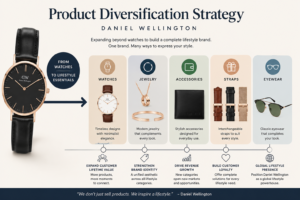
Daniel Wellington understood an important retail reality: relying entirely on watches creates long-term risk. Smartwatches disrupted traditional watch markets globally, forcing many brands to diversify.
The company expanded into jewelry, bracelets, rings, and accessories to strengthen its lifestyle positioning. This diversification reduced dependence on one product category while increasing average customer spending.
Jewelry and Accessories Growth
Jewelry became a natural extension of the Daniel Wellington brand identity. Minimalist rings, necklaces, and bracelets complemented the company’s watch aesthetics perfectly.
Cross-selling opportunities also improved profitability. Customers purchasing watches often added matching jewelry pieces, increasing order values.
Daniel Wellington’s Entry into Asia-Pacific
First Expansion Markets
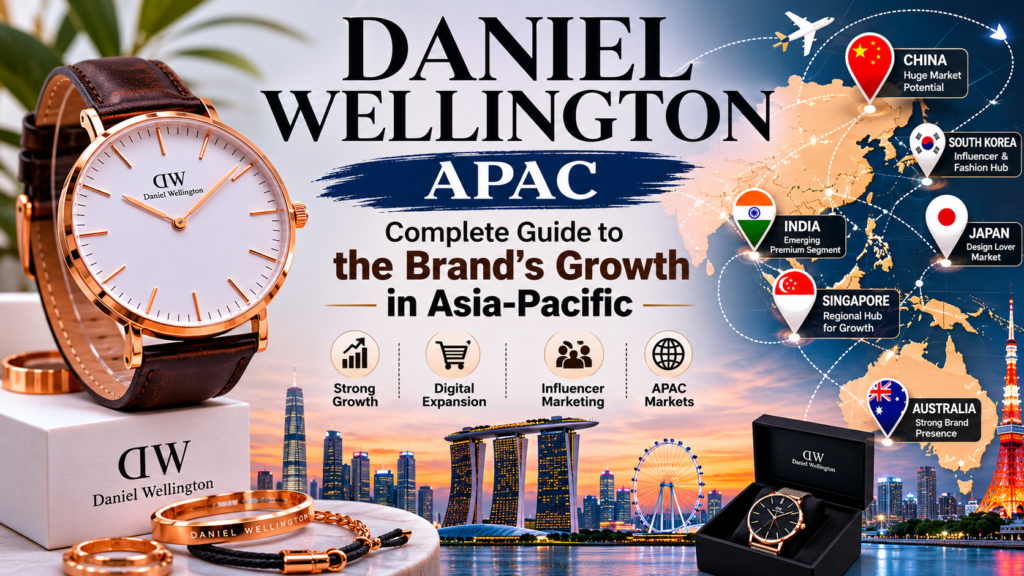
Daniel Wellington entered Asia-Pacific strategically rather than randomly. Singapore became one of the brand’s earliest and most important regional hubs because of its international consumer base and advanced retail ecosystem. From there, the company expanded deeper into Southeast Asia while simultaneously entering larger markets like China and Japan.
Singapore served as a testing ground for APAC strategies. Consumers there are highly fashion-conscious, digitally connected, and open to international brands. Success in Singapore validated the company’s ability to resonate with Asian audiences.
Japan presented another massive opportunity. Japanese consumers appreciate craftsmanship, aesthetics, and minimalist design philosophies. Daniel Wellington’s Scandinavian style aligned surprisingly well with Japanese fashion sensibilities. The brand quickly gained visibility among younger urban professionals and social media influencers.
China eventually became one of the most critical growth engines for Daniel Wellington. The country’s booming middle class and digital retail ecosystem created ideal conditions for rapid expansion. Social commerce, influencer marketing, and eCommerce platforms helped the brand scale quickly without relying entirely on traditional retail channels.
Building Brand Awareness Through Influencers
Influencer marketing became Daniel Wellington’s secret weapon in APAC. Before influencer marketing became mainstream globally, the company had already mastered the formula. Thousands of creators across Instagram and regional social platforms showcased Daniel Wellington watches in lifestyle-oriented content.
This approach worked especially well in Asia-Pacific markets where social proof strongly affects consumer behavior. Instead of using expensive celebrity campaigns, the company collaborated with micro-influencers who felt relatable and authentic.
The strategy created massive user-generated content ecosystems. Consumers frequently reposted their own Daniel Wellington photos, turning buyers into unofficial brand ambassadors. This viral-style marketing drastically reduced customer acquisition costs while increasing organic reach.
In countries like South Korea and China, visually driven social platforms amplified the brand’s visibility further. Stylish flat-lay photography, café culture aesthetics, and travel-themed content perfectly matched Daniel Wellington’s branding identity.
Retail Partnerships and Offline Presence
Department Store Collaborations
Despite strong digital success, offline retail remained important across Asia-Pacific. Daniel Wellington partnered with department stores and premium retailers to strengthen physical visibility.
These partnerships increased consumer trust while giving shoppers opportunities to experience products directly before purchasing.
Premium Retail Experiences
The company designed retail environments that reflected its minimalist branding philosophy. Clean layouts, elegant lighting, and premium packaging reinforced aspirational positioning.
Offline experiences also supported social media marketing because aesthetically designed stores encouraged customer-generated content.
Social Media Strategy Behind APAC Success
Instagram Marketing Revolution
Daniel Wellington helped redefine how fashion brands use Instagram for growth. Instead of polished luxury advertising, the company created highly relatable aspirational content. Watches appeared naturally within lifestyle imagery rather than being aggressively promoted.
This subtle strategy performed exceptionally well in APAC because consumers increasingly distrust traditional advertising. Authenticity matters more than overt sales messaging. Daniel Wellington’s social campaigns made products feel integrated into everyday modern life.
The brand also encouraged user participation through hashtags, repost campaigns, and influencer collaborations. This created powerful community-driven marketing momentum. Consumers weren’t just buying watches; they were buying entry into a fashionable lifestyle narrative.
Instagram’s visual-first environment perfectly suited the brand’s minimalist design philosophy. Clean aesthetics, neutral tones, and elegant compositions translated beautifully across mobile screens.
Influencer Partnerships in Asia
APAC influencer culture is incredibly powerful. In markets like China, South Korea, and Indonesia, influencers can dramatically shape purchasing trends almost overnight. Daniel Wellington invested heavily in localized influencer partnerships rather than using one-size-fits-all campaigns.
Localized marketing allowed the company to adapt messaging for different cultural contexts. Fashion preferences vary widely across Asia-Pacific, so collaborating with regional creators helped maintain authenticity.
The company also benefited from timing. Daniel Wellington expanded aggressively during the rise of influencer commerce, positioning itself as one of the first major fashion brands fully optimized for social-driven retail.
eCommerce and Digital Retail Expansion
Online Shopping Boom in APAC
Asia-Pacific has become one of the world’s largest eCommerce ecosystems. Mobile shopping, digital wallets, and rapid delivery infrastructure transformed consumer behavior across the region. Daniel Wellington leveraged this shift exceptionally well.
Rather than depending solely on physical retail expansion, the brand invested heavily in digital commerce. Consumers could discover products through social media and purchase instantly online. This seamless journey significantly improved conversion rates.
China’s eCommerce ecosystem proved especially valuable. Platforms like Tmall and JD.com gave international brands access to millions of digitally active consumers. Daniel Wellington’s sleek branding performed strongly within these highly visual marketplaces.
Southeast Asia also experienced explosive digital retail growth. Countries such as Indonesia, Vietnam, Thailand, and the Philippines became increasingly important due to rising smartphone adoption and youthful populations.
Mobile Commerce and Gen Z Consumers
Gen Z consumers shop differently from previous generations. They prioritize convenience, aesthetics, and social validation. Daniel Wellington’s mobile-first marketing strategy aligned perfectly with these preferences.
The company optimized campaigns for Instagram, TikTok-style short-form content, and influencer-driven product discovery. Younger APAC consumers increasingly purchase directly from mobile devices, making seamless digital experiences critical.
Digital-first branding also allowed Daniel Wellington to respond faster to trends. Product launches, collaborations, and seasonal campaigns could scale rapidly across multiple APAC markets simultaneously.
Challenges in the Asia-Pacific Market
Competition From Smartwatches
Smartwatch adoption created significant pressure for traditional fashion watch brands. Companies like Apple transformed watches from fashion accessories into functional tech devices.
Daniel Wellington responded by emphasizing timeless design, emotional branding, and lifestyle positioning rather than competing directly on technology.
Counterfeit Products and Market Saturation
Counterfeit products remain a serious challenge across APAC markets. Popular fashion brands frequently face imitation issues that can damage exclusivity and consumer trust.
Market saturation also increased competition. As more affordable luxury brands entered Asia-Pacific, maintaining differentiation became harder.
Country-by-Country APAC Growth Analysis
Singapore and Southeast Asia
Singapore became Daniel Wellington’s gateway into Southeast Asia. The country’s strong retail infrastructure, affluent consumer base, and international shopping culture created ideal conditions for expansion.
From Singapore, the brand expanded into neighboring markets including Malaysia, Thailand, Indonesia, and Vietnam. Southeast Asia’s youthful demographics and rapidly growing digital economies provided enormous long-term opportunities.
China’s Massive Luxury Market
China remains one of the world’s most influential consumer markets. Young Chinese shoppers increasingly seek international fashion brands that combine prestige with accessibility. Daniel Wellington fit this positioning perfectly.
The company’s influencer-heavy strategy worked particularly well in China’s socially driven commerce ecosystem. Livestream shopping, influencer endorsements, and mobile commerce accelerated brand visibility dramatically.
Japan’s Fashion-Conscious Consumers
Japanese consumers value quality, design precision, and timeless aesthetics. Daniel Wellington’s minimalist Scandinavian identity strongly resonated within Japanese fashion culture.
Japan also provided credibility. Success in such a sophisticated market reinforced the brand’s premium global image.
India’s Emerging Premium Segment
India represents one of Daniel Wellington’s most promising long-term APAC opportunities. Rising disposable incomes, urbanization, and increasing interest in international lifestyle brands continue driving premium fashion demand.
Young Indian professionals increasingly seek affordable luxury accessories, especially within metropolitan cities.
Future of Daniel Wellington APAC
Sustainability and Digital Innovation
Sustainability is becoming increasingly important among younger APAC consumers. Fashion brands are under growing pressure to adopt ethical sourcing, sustainable packaging, and transparent production practices.
Daniel Wellington’s future success may depend heavily on how effectively it integrates sustainability into branding and operations.
Digital innovation will also remain crucial. AI-powered personalization, social commerce integration, and immersive online shopping experiences could shape the next stage of growth.
Opportunities in Emerging Asian Markets
Emerging markets throughout Asia-Pacific continue offering enormous untapped potential. Countries like Vietnam, the Philippines, and India have rapidly expanding middle-class populations with increasing interest in global fashion brands.
Regional economic reports continue highlighting strong APAC growth momentum driven by technology investment and rising consumer demand.
Daniel Wellington’s digital-first approach positions it well for expansion into these high-growth markets.
Conclusion
Daniel Wellington transformed from a small Swedish watch company into a globally recognized lifestyle brand by understanding modern consumer psychology better than many traditional competitors. Its Asia-Pacific growth story demonstrates the power of influencer marketing, digital commerce, minimalist branding, and social-first retail strategies.
The APAC region gave Daniel Wellington access to youthful consumers, rapidly growing digital economies, and fashion-conscious urban populations eager for affordable luxury experiences. Countries across Southeast Asia, China, Japan, and India continue presenting strong long-term opportunities despite increasing competition and changing retail behaviors.
The company’s future in Asia-Pacific will likely depend on innovation, sustainability, localized marketing, and continued adaptation to evolving digital shopping trends. As APAC remains one of the world’s most dynamic consumer regions, Daniel Wellington still has significant room to grow.
Read Also:
Unlocking Wellness: How Your Super DE is Transforming the Superfood Industry
Tiqets: Your Ultimate Ticketing Platform for Seamless Travel and Attraction Bookings
Weight Watchers Online: Achieve Your Health Goals with Personalized Weight Loss Programs
TicketNetwork: Your Go-To Marketplace for Concert, Sports, and Event Tickets
The Rise of Kontist: Smart Banking Solutions for Modern Professionals
Why Novakid Global ARABIC Is a Game-Changer in Digital Language Education
Frequently asked questions
Daniel Wellington is known for minimalist Scandinavian-style watches, jewelry, and fashion accessories designed for modern lifestyle consumers.
APAC offers large young populations, rising disposable incomes, fast-growing eCommerce markets, and strong social media engagement, making it ideal for lifestyle brands.
The brand used influencer marketing, Instagram campaigns, digital commerce, and affordable luxury positioning to build rapid awareness among younger consumers.
China, Japan, Singapore, South Korea, India, and Southeast Asian countries have been major growth markets for the brand.
Major challenges include smartwatch competition, counterfeit products, market saturation, and changing consumer preferences.