

Discover the inspiring journey of H&M (Hennes & Mauritz), from its humble beginnings in Sweden to becoming one of the world’s leading fashion retailers. Learn about its brand history, innovative business model, global expansion, sustainability initiatives, and the key strategies that have driven its worldwide success.
Table of Contents
ToggleIntroduction to H&M
When people think about affordable fashion with a global presence, H&M (Hennes & Mauritz) is almost always one of the first names that comes to mind. From trendy seasonal collections to wardrobe essentials, H&M has become a household brand across continents. What started as a single women’s clothing store in Sweden has transformed into one of the world’s largest fashion retailers, serving millions of customers through thousands of physical stores and an extensive online shopping platform.
Today’s H&M Group operates across more than 80 markets, with online shopping available in over 60 markets, while continuously integrating digital and physical retail experiences. The company has also expanded beyond the flagship H&M brand to include labels such as COS, ARKET, Weekday, & Other Stories, H&M HOME, and Sellpy, creating a diversified fashion ecosystem that appeals to different customer segments.
This article explores how H&M built its global reputation, the business strategies behind its remarkable success, its sustainability journey, competitive advantages, and the challenges it faces in an increasingly competitive fashion industry.
The Origin of H&M
Erling Persson’s Vision
Every successful global company begins with a simple yet powerful idea. For H&M, that idea belonged to Swedish entrepreneur Erling Persson, who wanted fashionable clothing to be accessible to ordinary people instead of remaining exclusive to wealthy consumers.
Inspired by American retail concepts during a trip to New York, Persson opened the first Hennes store in Västerås, Sweden, in 1947. The word “Hennes” translates to “Hers” in Swedish, reflecting the store’s initial focus on women’s clothing. At a time when fashionable apparel often carried premium prices, Persson believed customers deserved stylish designs without paying luxury-level costs. This philosophy became the foundation of H&M’s identity and remains central to its operations today.
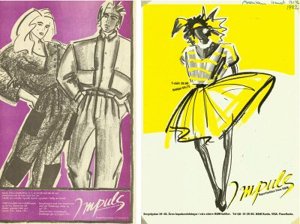
Another important element of Persson’s strategy was marketing. Unlike many retailers of that era, Hennes invested heavily in advertising, including full-page newspaper advertisements that helped the company quickly gain public attention. This early commitment to branding demonstrated that Persson understood fashion was not only about clothing—it was about creating aspiration and accessibility simultaneously.
Why the Name Changed to Hennes & Mauritz
The company’s biggest transformation came in 1968, when Erling Persson acquired Mauritz Widforss, a hunting and outdoor equipment retailer. Along with the acquisition came a ready-made men’s clothing inventory.
Rather than continuing as a women-only retailer, Persson recognized an opportunity to expand into menswear and children’s fashion. To reflect this broader offering, the company adopted the name Hennes & Mauritz, commonly shortened to H&M.
This strategic move proved transformational. Instead of targeting only one demographic, H&M evolved into a family fashion retailer capable of serving nearly every customer category. The new identity also provided a stronger foundation for international expansion, allowing H&M to compete with department stores while maintaining its affordable pricing philosophy.
Over the following decades, H&M expanded throughout Europe before entering North America, Asia, the Middle East, and many other regions. Today, the company remains rooted in the same mission introduced nearly eighty years ago: making fashion and quality available at the best price in a sustainable way.
Key Milestones in H&M's Growth
International Expansion
H&M’s international growth has been one of the most impressive stories in modern retail. Rather than expanding too rapidly, the company entered new markets carefully while adapting its merchandising, logistics, and store formats to local consumer preferences.
The first international stores appeared in neighboring Scandinavian countries before H&M gradually entered Western Europe. Expansion accelerated during the 1990s and early 2000s, when the company opened stores across North America and Asia. This measured strategy allowed H&M to establish strong brand recognition while maintaining operational efficiency.
Today, H&M operates in more than 80 markets, with approximately 4,000 stores across all brands. The flagship H&M brand alone has around 3,600 stores spanning 81 markets, while digital sales continue to expand through localized e-commerce platforms. The company has also diversified geographically by entering emerging markets while optimizing store portfolios in mature regions.
Digital Transformation
Retail has changed dramatically over the last decade, and H&M has invested heavily in creating a seamless omnichannel shopping experience. Instead of viewing physical stores and online platforms as separate businesses, H&M integrates them to provide customers with flexibility and convenience.
Customers can browse collections online, check store availability, reserve items, access personalized recommendations, and participate in loyalty programs through mobile applications. Physical stores increasingly function as experience centers, offering click-and-collect services, easy returns, and digital payment options.
This omnichannel strategy reflects a broader shift within the company. Rather than relying solely on store expansion for growth, H&M now focuses on improving customer experience across every touchpoint. Recent company reports emphasize continued investment in digital innovation alongside selective flagship store openings, while optimizing underperforming retail locations worldwide.
H&M's Business Model
H&M’s remarkable global success is built on a business model that combines affordability, speed, design, and scale. Unlike luxury fashion houses that produce limited collections at premium prices, H&M focuses on offering fashionable clothing at accessible prices to a broad customer base. This strategy has enabled the company to attract millions of shoppers ranging from students and young professionals to families seeking value for money. By closely monitoring fashion trends, consumer behavior, and seasonal demand, H&M introduces new styles throughout the year, encouraging repeat visits both online and in stores.
One of the defining features of H&M’s model is that it does not own most of its manufacturing facilities. Instead, the company partners with hundreds of independent suppliers around the world. This asset-light approach allows H&M to remain flexible, reduce capital expenditure, and respond more efficiently to changing market conditions. The company focuses on design, merchandising, branding, logistics, and customer experience while working closely with suppliers to maintain quality standards and ethical sourcing practices.
Technology also plays an increasingly important role in H&M’s operations. Advanced data analytics help forecast demand, optimize inventory, and improve product allocation across different markets. Combined with an integrated omnichannel strategy, these capabilities enable customers to enjoy a seamless shopping experience regardless of whether they shop online or in physical stores.
Affordable Fast Fashion Strategy
The cornerstone of H&M’s success has always been its fast fashion approach. The company identifies emerging fashion trends from runways, social media, street fashion, and consumer insights, then transforms those inspirations into affordable collections available within a relatively short period. This allows shoppers to enjoy fashionable designs without paying designer prices.
Unlike traditional apparel retailers that release only a few seasonal collections, H&M continuously refreshes its inventory. Frequent product launches create excitement and encourage customers to visit stores regularly because new arrivals are constantly available. This strategy not only drives sales but also strengthens customer loyalty by ensuring the shopping experience remains fresh and dynamic.
Despite the benefits, the fast fashion model has also faced criticism for encouraging excessive consumption and increasing textile waste. Recognizing these concerns, H&M has gradually shifted its strategy by introducing more sustainable materials, improving garment recycling programs, and investing in circular fashion initiatives. The company now aims to balance affordability with greater environmental responsibility.
Supply Chain and Sourcing
A sophisticated global supply chain is essential to H&M’s ability to deliver fashionable products quickly and efficiently. The company collaborates with hundreds of suppliers across Asia, Europe, and other regions, sourcing products from manufacturers that specialize in different categories such as knitwear, denim, footwear, and accessories. Long-term supplier relationships help maintain quality while allowing flexibility during changing market conditions.
H&M places significant emphasis on responsible sourcing. Suppliers are expected to comply with strict standards covering labor practices, workplace safety, environmental management, and ethical business conduct. Regular audits, training programs, and collaborative improvement initiatives form part of the company’s supplier management system.
Innovation is becoming increasingly important in H&M’s supply chain. Investments in automation, digital forecasting, and AI-driven inventory planning help reduce overproduction while improving product availability. These technological improvements allow H&M to optimize stock levels, minimize waste, and respond more effectively to customer demand in different markets.
Omnichannel Retail Strategy
Modern consumers expect flexibility, and H&M has embraced an omnichannel retail model that connects digital and physical shopping experiences. Customers can browse products online, purchase through mobile apps, collect orders in stores, return online purchases at physical locations, and access personalized recommendations through loyalty programs.
Stores themselves are evolving beyond traditional retail spaces. Many locations now serve as fulfillment centers supporting online orders while also providing fitting rooms, style inspiration, and customer service. This integration improves operational efficiency while giving shoppers multiple purchasing options.
Digital investments continue to shape H&M’s future. Artificial intelligence supports personalized product recommendations, while customer data helps refine marketing campaigns and inventory allocation. These capabilities allow H&M to compete effectively in an increasingly digital retail landscape where convenience and personalization are major purchasing factors.
H&M Brand Portfolio
Major Brands Under H&M Group
Although many consumers associate the company exclusively with H&M stores, the H&M Group manages several well-known brands that target different market segments.
Brand | Primary Focus | Target Audience |
H&M | Affordable fashion | Mass market |
COS | Modern premium fashion | Professionals |
ARKET | Lifestyle and essentials | Premium customers |
Weekday | Streetwear | Young adults |
Monki | Youth fashion | Trend-conscious shoppers |
& Other Stories | Premium fashion and beauty | Fashion enthusiasts |
H&M HOME | Home décor | Homeowners and decorators |
Sellpy | Second-hand marketplace | Sustainable shoppers |
This diversified portfolio allows the H&M Group to serve customers with varying preferences, price points, and lifestyles while reducing dependence on a single retail concept.
Sustainability Initiatives
Circular Fashion
Sustainability has become one of H&M’s most significant strategic priorities. As environmental awareness grows, consumers increasingly expect fashion companies to reduce waste, improve transparency, and adopt responsible production methods. H&M has responded by investing heavily in circular fashion initiatives designed to extend the lifespan of clothing.
One of the company’s best-known programs encourages customers to return unwanted garments for recycling regardless of brand. Collected textiles are sorted for reuse, recycling, or repurposing whenever possible. H&M also continues increasing the proportion of recycled and sustainably sourced materials used in new collections.
The company supports innovation in textile recycling technologies and collaborates with research institutions, suppliers, and industry organizations to develop more sustainable production methods. These efforts demonstrate H&M’s recognition that long-term success depends not only on commercial performance but also on environmental responsibility.
Climate and Material Goals
H&M has established ambitious climate and sustainability goals that focus on reducing greenhouse gas emissions, improving energy efficiency, and increasing renewable energy usage throughout its value chain. The company also aims to expand the use of recycled fibers while reducing dependence on virgin raw materials.
Material innovation remains a key area of investment. H&M increasingly incorporates recycled polyester, responsibly sourced cotton, recycled wool, and other lower-impact materials into its collections. Product transparency has also improved through digital tools that help consumers understand garment composition and sustainability characteristics.
Although challenges remain, H&M’s sustainability strategy reflects broader changes occurring across the fashion industry as businesses adapt to growing consumer expectations and evolving environmental regulations.
Marketing Strategy Marketing Strategy
Celebrity Collaborations
One of H&M’s most successful marketing innovations has been its collaborations with internationally recognized designers, celebrities, and luxury fashion houses. These limited-edition collections generate enormous media attention while allowing customers to purchase exclusive designs at relatively affordable prices.
Collaborations with renowned fashion designers have strengthened H&M’s reputation for combining accessibility with high-end style. Celebrity partnerships also create excitement across social media platforms, attracting younger audiences and increasing brand visibility worldwide.
Digital marketing has become equally important. H&M leverages influencer partnerships, user-generated content, email marketing, personalized recommendations, and social commerce to maintain strong engagement with customers across multiple platforms. This integrated marketing approach supports both online and in-store sales while reinforcing the company’s global brand identity.
Competitive Advantages
Several factors distinguish H&M from many competitors in the global fashion industry.
First, the company’s internationally recognized brand provides significant consumer trust and awareness. Decades of consistent positioning have established H&M as a destination for affordable, fashionable clothing.
Second, H&M benefits from enormous purchasing power due to its global scale. Large production volumes help negotiate favorable supplier agreements while maintaining competitive pricing.
Third, the company’s diversified brand portfolio enables it to reach multiple customer segments, reducing dependence on any single demographic. Combined with an expanding omnichannel retail network and continuous digital innovation, these strengths provide H&M with a solid competitive position despite increasing market competition.
Challenges Facing H&M
Like every major retailer, H&M faces numerous challenges. Competition has intensified as online-first fashion companies introduce new products at unprecedented speed. Consumer expectations regarding delivery times, personalization, and sustainability continue to evolve rapidly.
Supply chain disruptions, inflation, changing consumer spending habits, and geopolitical uncertainty also influence operating costs and demand. Managing inventory effectively has become increasingly important, particularly in a market where fashion trends change quickly.
Environmental concerns remain another significant challenge. Fast fashion companies face ongoing scrutiny regarding waste generation, resource consumption, and labor conditions throughout global supply chains. Continued investment in sustainability and transparency will remain essential for maintaining consumer trust.
Future Growth Strategy
Looking ahead, H&M is expected to continue emphasizing digital transformation, sustainability, and customer experience rather than relying solely on rapid physical store expansion. Artificial intelligence, advanced analytics, and automation will likely improve demand forecasting, inventory management, and personalized shopping experiences.
Expansion opportunities remain in selected emerging markets where growing middle-class populations present long-term demand potential. At the same time, H&M continues optimizing its existing store portfolio by investing in flagship locations while closing underperforming stores.
Sustainability is expected to become an even greater competitive differentiator. Investments in recycled materials, circular business models, resale platforms, and innovative textile technologies position H&M to adapt to changing consumer expectations and future regulatory requirements.
Conclusion
H&M’s journey from a single women’s clothing store in Sweden to one of the world’s largest fashion retailers demonstrates the power of combining affordability, innovation, and customer focus. Over the decades, the company has successfully expanded into international markets, diversified its brand portfolio, embraced digital transformation, and strengthened its commitment to sustainability.
Despite facing intense competition and evolving consumer expectations, H&M continues to adapt its business model through technology, responsible sourcing, omnichannel retailing, and environmental initiatives. These ongoing improvements help the company remain relevant in an increasingly dynamic global fashion industry.
As fashion continues to evolve, H&M’s ability to balance affordability, style, innovation, and sustainability will play a crucial role in shaping its future success. Its willingness to embrace change while remaining true to its founding vision has made H&M one of the most recognizable and influential fashion brands in the world.
Read Also:
The Ultimate Guide to Philips NL & BE – PH for Modern Digital Success
Philips US and the Future of Smart Technology: Trends, Insights, and Opportunities
Philips NL & BE – DA and the Future of Online Branding: Key Trends and Insights
How Unity Affiliate Can Support Better Online Promotion and Customer Engagement
Tripcom: A Complete Guide to Online Travel Solutions and Digital Booking Experiences
Frequently asked questions
H&M stands for Hennes & Mauritz. "Hennes" means "Hers" in Swedish, while "Mauritz" was added after the acquisition of Mauritz Widforss in 1968.
H&M was founded by Erling Persson in Västerås, Sweden, in 1947.
Yes. H&M is widely recognized as one of the world's leading fast fashion retailers, offering trendy clothing at affordable prices while increasingly investing in sustainability initiatives.
The H&M Group owns brands including H&M, COS, ARKET, Weekday, Monki, & Other Stories, H&M HOME, and Sellpy.
H&M's success comes from its combination of affordable pricing, trend-focused collections, strong global supply chain, diversified brand portfolio, omnichannel retail strategy, digital innovation, and growing commitment to sustainability.