

Starting a print-on-demand business sounds simple: create a design, upload it, place it on products, and wait for customers to buy. But behind every successful POD brand is a carefully chosen fulfillment partner. The platform you select affects your product quality, customer satisfaction, profit margins, shipping experience, and even how customers remember your brand. With dozens of POD companies available today, comparing features instead of only looking at prices has become essential.
Printful is one of the most recognized names in the print-on-demand industry, known for its focus on product quality, branding options, fulfillment services, and ecommerce integrations. However, many businesses compare it with alternatives such as Printify, Gelato, Gooten, Apliiq, and other POD providers to find the best match for their goals.
A good POD platform is not just a printing company. It acts like a silent business partner working behind the scenes. It handles production, inventory management, packaging, and shipping while you focus on designing products and marketing your store. Choosing the right features can be the difference between building a profitable brand and struggling with refunds, poor reviews, and unhappy customers.
This guide explores the most important print-on-demand features to consider when comparing Printful with competitors. Whether you are launching your first store or looking for a better supplier, these factors will help you make a smarter decision.
Table of Contents
ToggleUnderstanding Print-on-Demand and Why Feature Comparison Matters
Print-on-demand is a business model where products are created only after a customer places an order. Unlike traditional retail, sellers do not need to purchase hundreds of products in advance or maintain warehouses full of inventory. The POD provider prints the design, prepares the package, and ships it directly to the buyer. This approach reduces financial risk because entrepreneurs only pay for production after making a sale.
The popularity of POD has grown because it allows creators, influencers, artists, and small businesses to transform ideas into physical products without large investments. A designer can launch a clothing collection, a YouTuber can sell merchandise, or a small company can create branded products without managing manufacturing operations.
However, not every POD provider works the same way. Some platforms focus on premium product quality, while others compete through lower prices or larger catalogs. Some offer advanced branding features, whereas others focus mainly on simple fulfillment.
When comparing Printful competitors, businesses should examine several important areas:
- Product selection
- Printing methods
- Quality control
- Shipping speed
- Branding options
- Ecommerce integrations
- Pricing
- Customer support
The cheapest provider is not always the best option. A slightly higher product cost may be worthwhile if it creates better customer experiences and stronger repeat purchases.
How POD Platforms Work for Modern Online Businesses
A typical POD workflow starts when a seller uploads artwork to a platform. The design is placed on products such as shirts, hoodies, mugs, posters, phone cases, or accessories. After connecting the POD service with an ecommerce store, customers can purchase items directly from the seller’s website or marketplace.
Once an order arrives, the POD provider receives the information automatically. The product is manufactured, inspected, packaged, and shipped to the customer. This automated process allows entrepreneurs to operate globally without handling physical products.
Modern POD platforms also provide tools for mockup creation, product personalization, order tracking, and inventory management. These features help businesses create professional stores even without technical manufacturing experience.
Product Catalog and Customization Options
One of the first features entrepreneurs should compare is the product catalog. A large product range gives sellers more opportunities to test different niches and create complete collections. A fashion brand may need multiple clothing styles, while an artist may prefer posters, accessories, and home decor products.
Printful offers a broad selection of customizable products, including apparel, accessories, and lifestyle items. Competitors may differ significantly in their available products. For example, some platforms specialize in clothing, while others focus on unique products or regional fulfillment.
A strong product catalog should include:
- Different clothing styles and materials
- Multiple color options
- Custom printing areas
- Accessories and lifestyle products
- Seasonal product choices
Product customization is equally important. Customers increasingly want unique products rather than generic merchandise. Features like embroidery, all-over printing, personalized text, and multiple design placements can help businesses create premium offerings.
A limited catalog may work for beginners, but growing brands usually need flexibility. Imagine building a clothing brand that becomes popular, only to discover your supplier does not support jackets, premium fabrics, or custom packaging. Changing suppliers later can create unnecessary problems.
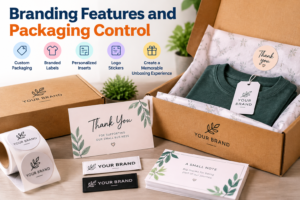
Branding Features and Packaging Control
Building a brand requires more than placing a logo on a product. Customers remember the complete experience, including packaging, presentation, and personal touches.
Branding features are an important difference between POD providers. Some platforms allow custom labels, packaging inserts, stickers, and branded experiences. Printful is known for offering several branding options designed to help sellers create a more professional customer journey.
Useful branding features include:
- Custom packaging
- Logo labels
- Thank-you cards
- Personalized inserts
- Brand-focused packaging
A simple example explains why branding matters. Two customers order similar T-shirts from different stores. One receives a plain package with no personal connection. The other receives a beautifully packaged product with a thank-you note. The second experience creates stronger emotional value.
For businesses planning long-term growth, branding features are often more valuable than saving a small amount on each order.
Print Quality and Production Technology
Print quality is one of the most important factors when selecting a POD provider. A customer does not judge your business by the supplier behind the scenes. They judge the product they receive. A faded design, poor fabric quality, or incorrect colors can damage your reputation.
Printful has built its reputation around consistent production quality and controlled fulfillment processes. However, competitors may use different production networks, which can influence consistency between orders.
Important production features to compare include:
Feature | Why It Matters |
Direct-to-Garment (DTG) printing | Produces detailed designs on apparel |
Embroidery | Creates premium-looking products |
Dye sublimation | Supports vibrant all-over prints |
Quality checks | Reduces defective orders |
Sample ordering | Allows sellers to test products |
Ordering samples before selling is one of the smartest steps for any POD entrepreneur. A product may look perfect in a digital mockup but feel completely different in real life.
Quality is the foundation of customer loyalty. A buyer who receives a high-quality product is more likely to recommend your brand, leave positive reviews, and purchase again.
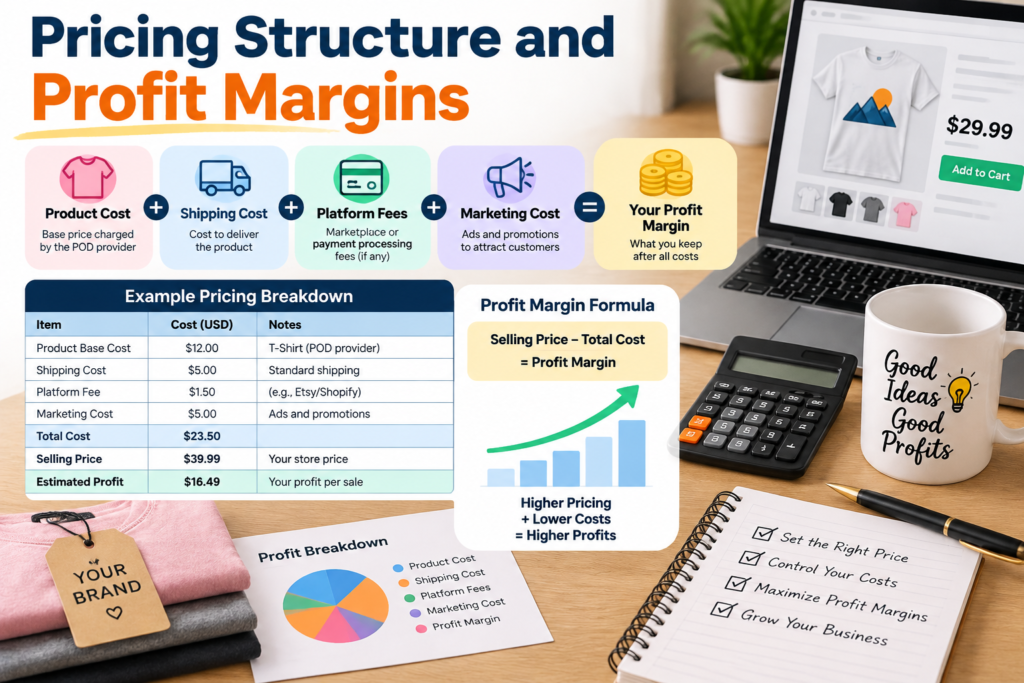
Pricing Structure and Profit Margins
Pricing is one of the biggest factors when comparing POD platforms, but it should not be the only factor. A lower base price does not automatically mean higher profits.
Businesses should calculate:
Selling Price – Product Cost – Shipping Cost – Platform Fees = Actual Profit
Some providers offer subscription plans that reduce product costs, while others operate with free accounts and different pricing models.
Consider these pricing factors:
- Product base cost
- Shipping charges
- Monthly subscriptions
- Bulk discounts
- Branding fees
A premium supplier may cost more but provide better quality and fewer customer complaints. Sometimes paying slightly more creates better long-term profitability.
Integration With Ecommerce Platforms
A successful POD business depends on smooth connections between your supplier and sales channels. Without proper integrations, managing orders manually can become frustrating and time-consuming.
Popular ecommerce integrations include:
Platform | Purpose |
Shopify | Building independent online stores |
Etsy | Selling handmade-style products |
WooCommerce | WordPress-based ecommerce |
Amazon | Accessing marketplace customers |
Wix | Beginner-friendly website creation |
Printful and many competitors provide integrations with major ecommerce platforms. These connections allow automatic order transfers, product syncing, and inventory updates.
For beginners, easy integration can save hours of technical work. For growing businesses, reliable automation prevents mistakes when order volumes increase.
A platform that works well with your chosen sales channel should be a major consideration before making a decision.
Fulfillment Network and Shipping Performance
Fast and reliable shipping directly affects customer satisfaction. Even if your product design is excellent, customers may become unhappy if delivery takes too long.
Fulfillment networks determine how quickly products reach buyers. Providers with multiple production locations can often reduce shipping times by producing orders closer to customers.
When comparing POD providers, consider:
Shipping Factor | Importance |
Production locations | Determines regional delivery speed |
Tracking availability | Improves customer confidence |
Shipping partners | Affects reliability |
Delivery estimates | Helps manage expectations |
Global sellers especially need strong fulfillment networks. A customer in Europe should not experience unnecessary delays because their product is manufactured on another continent.
Design Tools and User Experience
A simple platform saves time and reduces frustration. Beginners especially benefit from easy-to-use design tools that help them create products without advanced graphic design skills.
Modern POD tools may include:
- Mockup generators
- Image editing features
- Design templates
- Product previews
- Automated resizing
A good user interface feels like having a helpful assistant beside you. Instead of struggling with complicated settings, creators can focus on creativity and marketing.
Automation Features for Scaling a POD Business
Automation becomes increasingly important as sales grow. Managing hundreds of orders manually is inefficient and increases the chance of mistakes.
Important automation features include:
- Automatic order processing
- Real-time status updates
- Inventory synchronization
- Customer notifications
- API connections
Scaling a business requires systems that work without constant supervision. The best POD platforms allow entrepreneurs to spend more time creating designs and less time handling operations.
Customer Support and Business Resources
Reliable customer support can make a huge difference when problems occur. Issues such as delayed shipments, damaged products, or printing mistakes require quick solutions.
When comparing providers, check:
- Response speed
- Knowledge base quality
- Seller education resources
- Troubleshooting support
A good support team acts like a safety net for your business.
Sustainability and Ethical Production Considerations
Many customers now consider sustainability when purchasing products. POD already reduces waste because items are created after orders are placed instead of being mass-produced.
Some platforms provide eco-friendly products, responsible sourcing information, and sustainable production options.
Businesses should evaluate:
- Organic materials
- Sustainable packaging
- Production transparency
- Waste reduction practices
Sustainability can also become a valuable marketing advantage for brands targeting environmentally conscious customers.
Comparing Printful Alternatives and Competitor Features
Different POD platforms serve different business needs. There is no single provider that is perfect for everyone.
Platform Type | Main Strength |
Printful | Quality control and branding |
Printify | Large supplier network and pricing flexibility |
Gelato | Global production network |
Apliiq | Premium clothing customization |
Gooten | Business scaling options |
The right choice depends on your priorities. A luxury clothing brand may prioritize branding and quality, while a beginner testing designs may focus on lower costs.
Choosing Features Based on Business Goals
Before selecting a POD provider, define your goals:
If you want a premium brand:
- Focus on quality
- Choose strong branding features
- Test products carefully
If you want fast experimentation:
- Look for affordable pricing
- Choose a large catalog
- Use easy design tools
If you want international growth:
- Prioritize global fulfillment
- Compare shipping networks
Your business strategy should decide your platform choice.
Conclusion
Choosing a print-on-demand platform requires looking beyond simple pricing comparisons. Features such as product quality, customization options, fulfillment speed, branding tools, integrations, and automation can directly influence your business success.
Printful remains a popular choice because of its focus on quality, branding, and professional fulfillment services. However, competitors provide different advantages, including wider supplier networks, specialized products, or pricing flexibility.
The best POD platform is the one that matches your business goals. Take time to compare features, order samples, understand costs, and think about the type of brand you want to build.
A great POD partner does not just print products. It helps transform creative ideas into real customer experiences.
Read Also:
What Travelers Should Know Before Booking a Holiday with Lopesan (US)
The Ultimate Guide to Saving Money on Car Rentals with DiscoverCars
A Complete Guide to Web Hosting and Domains with Hostalia ES
Why Businesses Are Exploring Digital Solutions Offered by Z.com
Top Features to Look for When Shopping at Backfire Boards
Frequently asked questions
Printful offers strong quality control, branding features, and integrations, but the best choice depends on your business requirements, product needs, and budget.
Compare product range, print quality, shipping speed, pricing, integrations, branding options, and customer support.
Yes. Most POD platforms provide beginner-friendly tools that allow users to create products without manufacturing knowledge.
Consistent product quality is one of the most important factors because customer satisfaction influences reviews, repeat purchases, and brand growth.
No. Print-on-demand businesses typically produce products only after customers place orders, reducing the need for upfront inventory.