

Discover why Exotic India is a hidden gem for cultural shopping, offering authentic Indian handicrafts, spiritual items, traditional art, ethnic fashion, and heritage products. This blog explores how Exotic India connects global shoppers with skilled artisans while preserving India’s rich cultural traditions through unique, handcrafted treasures.
Table of Contents
ToggleUnderstanding the Rise of Cultural Shopping
The way people shop has changed dramatically over the last decade. Consumers are no longer interested in buying products simply because they are fashionable or inexpensive. Many people now want meaningful purchases that tell a story, represent a tradition, or connect them with a specific culture. This growing trend has given rise to what many call cultural shopping, where the value of an item comes not only from its appearance but also from its history and craftsmanship. Cultural shopping allows buyers to become part of a larger narrative, transforming a simple purchase into a memorable experience.
Around the world, traditional crafts and handmade products are gaining renewed attention. Festivals, artisan fairs, and online marketplaces dedicated to heritage products continue to attract large audiences. Recent cultural craft events across India have showcased hundreds of artisan stalls, highlighting the increasing demand for handcrafted goods and traditional artistry. People are beginning to appreciate the uniqueness that comes with handmade products, especially in an era dominated by mass production. This shift has created opportunities for platforms that celebrate culture while connecting artisans directly with global customers.
For collectors, travelers, and cultural enthusiasts, shopping has become a journey of discovery. Instead of purchasing generic souvenirs, they seek products that carry centuries of tradition. They want handcrafted textiles, spiritual artifacts, tribal art, and regional crafts that embody authentic cultural heritage. This growing interest has helped niche platforms flourish, and among them, Exotic India has quietly emerged as one of the most fascinating destinations for cultural shopping.
What Is Exotic India?
At first glance, Exotic India may appear to be just another online marketplace. A deeper look reveals something much more meaningful. Exotic India has built its reputation around promoting India’s artistic, spiritual, and cultural heritage through carefully curated products. The platform offers access to a vast collection of handmade items, traditional artwork, books, statues, apparel, jewelry, and home décor inspired by India’s rich cultural traditions. According to its official app information, the platform features more than 400,000 curated products representing Indian art, spirituality, and craftsmanship.
What makes Exotic India special is its dedication to authenticity. Rather than focusing solely on commercial success, the platform emphasizes cultural preservation and fair trade practices. It works with artisans, designers, and craftspeople who continue to use traditional techniques passed down through generations. These techniques often require patience, skill, and years of experience, making every product unique.
The platform serves as a bridge between traditional Indian artisans and modern global consumers. Someone sitting in New York, London, Sydney, or Tokyo can access products that were once available only in remote Indian craft markets. This accessibility has transformed Exotic India into more than an online store. It has become a cultural archive where traditions, stories, and artistic expressions continue to thrive in the digital age.
A Vast Collection Beyond Ordinary Shopping
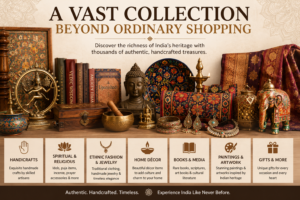
One of the biggest reasons Exotic India stands out is the extraordinary variety of products available. Most online marketplaces focus on a few categories, but Exotic India embraces the incredible diversity of Indian culture. Visitors can explore traditional handicrafts, religious artifacts, handwoven textiles, jewelry, sculptures, books, paintings, and decorative items that represent different regions of India.
The handicraft section alone offers a fascinating glimpse into India’s artistic heritage. From intricate wood carvings and brass sculptures to hand-painted artwork and tribal crafts, each item reflects the traditions of a specific community. Across India, traditional crafts continue to receive recognition and support through cultural festivals and artisan programs that help preserve these valuable skills.
Spiritual products are another defining feature of the platform. India has long been associated with spirituality, meditation, and religious traditions. Exotic India provides access to statues, ritual items, prayer accessories, and sacred artwork connected to Hinduism, Buddhism, Jainism, and other spiritual traditions. These products appeal not only to practitioners but also to collectors who appreciate their artistic and cultural significance.
Fashion enthusiasts can explore ethnic clothing, handcrafted accessories, and traditional jewelry. Unlike fast-fashion products manufactured in bulk, these items often showcase regional embroidery, hand-block printing, weaving techniques, and artisanal craftsmanship. Each piece serves as a wearable expression of India’s diverse cultural identity.
Supporting Artisans and Traditional Crafts
Behind every handcrafted product lies a human story. A skilled artisan may spend days, weeks, or even months creating a single piece. Unfortunately, many traditional crafts face challenges from industrial manufacturing and changing consumer preferences. Exotic India plays an important role by creating opportunities for artisans to reach a broader audience while maintaining traditional production methods.
Fair trade practices have become increasingly important in today’s marketplace. Consumers want assurance that artisans receive fair compensation for their work. Exotic India highlights its commitment to fair trade and cultural preservation, helping ensure that creators benefit from the value of their craftsmanship. This approach supports sustainable livelihoods while encouraging younger generations to continue traditional crafts.
India’s artisan economy remains a crucial source of employment for thousands of families. Recent initiatives across the country continue to promote local crafts, provide market access, and support artisan communities through exhibitions and digital platforms. By connecting these artisans with global customers, Exotic India helps preserve cultural traditions that might otherwise disappear.
This support extends beyond economics. When artisans see appreciation for their work from customers around the world, it reinforces the cultural significance of their craft. Every purchase becomes a vote for cultural preservation, encouraging artisans to continue practicing and teaching their skills.
Why Authenticity Matters
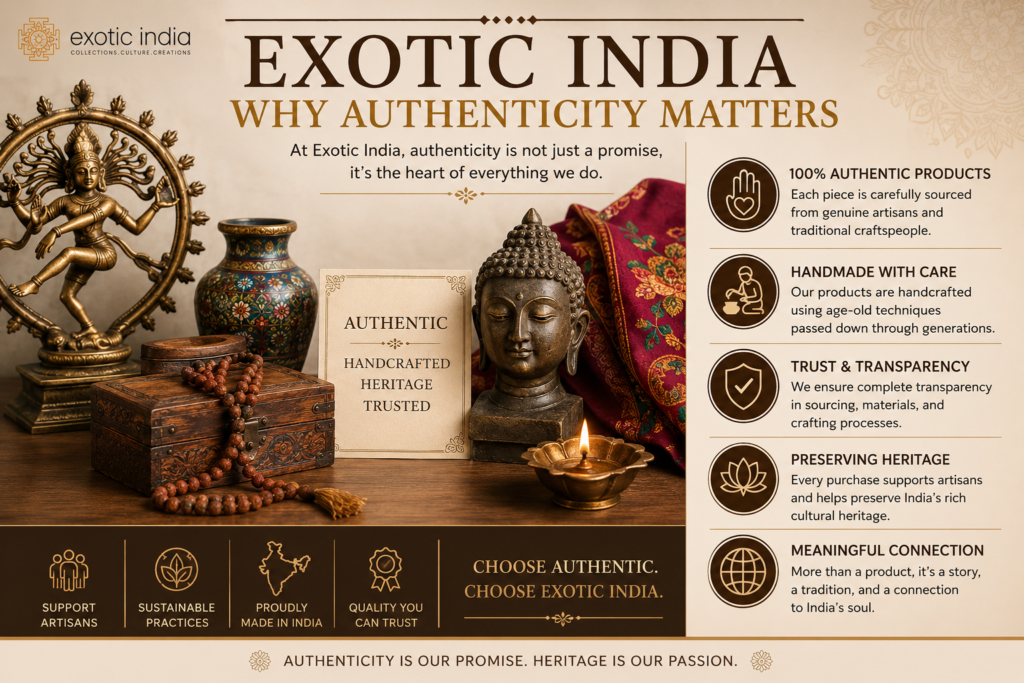
Authenticity is one of the most valuable qualities in cultural shopping. In a world filled with factory-made replicas, genuine handcrafted products stand apart because they carry the fingerprints of their creators. Small imperfections often become proof of authenticity, reflecting the individuality and care that went into the creation process.
Exotic India emphasizes products rooted in traditional techniques and cultural heritage. This focus helps buyers avoid the uncertainty that often comes with purchasing cultural items from generic marketplaces. Instead of wondering whether an item is genuinely handcrafted or mass-produced, customers can shop with greater confidence knowing that cultural authenticity is a central part of the platform’s identity.
Authentic cultural products also serve as educational tools. A handcrafted textile may introduce someone to centuries-old weaving traditions. A sculpture might reflect religious symbolism that has shaped communities for generations. A painting could reveal regional artistic styles that are rarely seen outside their place of origin. These products become conversation starters, connecting people across cultures and generations.
The importance of preserving authentic craftsmanship is increasingly recognized worldwide. Cultural heritage initiatives, artisan collaborations, and international exhibitions continue to highlight the value of traditional skills and indigenous knowledge. As consumers become more aware of these issues, authenticity becomes not just a preference but a priority.
Unique Categories That Set Exotic India Apart
While many cultural marketplaces focus primarily on handicrafts or fashion, Exotic India offers several unique categories that make it particularly appealing to collectors and researchers. One of the most distinctive features is its collection of books and scholarly materials related to Indian history, philosophy, religion, art, and culture.
These books provide valuable insights into subjects that are often difficult to access through mainstream retailers. Students, academics, and cultural enthusiasts can explore topics ranging from ancient scriptures and mythology to architecture, meditation, and traditional medicine. This educational dimension elevates Exotic India beyond the role of a conventional shopping platform.
The platform is also known for its impressive selection of sculptures and decorative art. These items range from small figurines suitable for home décor to elaborate statues crafted by skilled artisans. Each piece reflects regional artistic traditions and often carries symbolic meaning rooted in spiritual or cultural practices.
Comparison of Cultural Shopping Options
Feature | Exotic India | Generic Marketplace |
Focus on Cultural Heritage | High | Limited |
Handmade Products | Extensive | Mixed |
Artisan Support | Strong | Varies |
Spiritual Products | Extensive | Limited |
Rare Cultural Books | Available | Rare |
Traditional Craft Preservation | Core Mission | Not Primary Focus |
Curated Collections | Specialized | Broad and Generic |
This specialization allows Exotic India to attract customers who are searching for depth, authenticity, and cultural value rather than simply browsing for decorative products.
The Digital Bridge Connecting India to the World
Technology has transformed how cultural products reach consumers. In the past, discovering authentic Indian crafts often required travel, local knowledge, and considerable effort. Today, digital platforms make these treasures accessible with just a few clicks. Exotic India represents one of the most successful examples of this transformation.
Its online presence allows global customers to browse thousands of products from different regions of India. Whether someone is interested in traditional textiles from Rajasthan, tribal art from central India, or handcrafted sculptures inspired by ancient traditions, the platform makes these items accessible regardless of geographic location.
This digital accessibility benefits both buyers and artisans. Customers gain access to authentic products they might never have discovered otherwise, while artisans gain exposure to international markets. The result is a mutually beneficial ecosystem that supports cultural preservation while embracing modern technology.
The rise of online marketplaces dedicated to traditional crafts reflects a broader global movement toward sustainable and meaningful consumption. Similar initiatives across India continue to demonstrate how technology can strengthen cultural industries and create new opportunities for artisan communities.
How Exotic India Preserves Cultural Heritage
Cultural heritage is not preserved through museums alone. It survives when traditions remain relevant, appreciated, and economically viable. Exotic India contributes to this preservation by creating demand for traditional products and encouraging artisans to continue practicing their crafts.
Across India, numerous craft traditions are receiving renewed recognition. Some have even earned Geographical Indication (GI) status, highlighting their cultural significance and unique regional identity. Examples include traditional terracotta crafts and sustainable handmade products developed by artisan communities. These recognitions demonstrate the importance of preserving local knowledge and craftsmanship.
Exotic India helps bring attention to these traditions by presenting them to a global audience. When customers purchase handmade products, they support not only individual artisans but also the broader cultural ecosystems that sustain these crafts. The impact extends beyond economics, helping preserve stories, techniques, symbols, and identities that have been passed down through generations.
The platform also encourages cultural appreciation rather than cultural consumption. Customers learn about the origins, significance, and craftsmanship behind the products they purchase. This educational approach creates deeper connections between buyers and the cultures represented by the products.
Comparing Exotic India with Conventional Marketplaces
Shopping on a conventional marketplace can feel like wandering through a crowded city where every storefront competes for attention. Products are often selected based on trends, pricing, and algorithms rather than cultural significance. While these platforms offer convenience, they rarely provide meaningful context about the origins of a product.
Exotic India takes a different approach. It functions more like a carefully curated cultural gallery than a traditional online store. Products are organized around themes of heritage, spirituality, craftsmanship, and artistic expression. Customers are invited to explore not just what an item looks like but also what it represents.
Another important distinction lies in the relationship between products and their creators. Generic marketplaces often separate consumers from artisans, making it difficult to understand where products come from. Exotic India emphasizes artisan traditions, fair trade principles, and cultural authenticity. This transparency helps build trust while enhancing the overall shopping experience.
For buyers seeking meaningful purchases, this difference can be transformative. Instead of acquiring another decorative object, they gain a piece of living cultural heritage. That emotional and cultural value is what truly makes Exotic India a hidden gem.
Conclusion
Exotic India has earned its reputation as a hidden gem for cultural shopping because it offers far more than products. It provides access to stories, traditions, artistry, and heritage that might otherwise remain hidden from global audiences. Through its commitment to authenticity, fair trade practices, artisan support, and cultural preservation, the platform has created a unique space where tradition and technology work together.
As interest in handmade products and cultural experiences continues to grow, Exotic India stands out as a destination for people who value meaning over mass production. Every handcrafted item, spiritual artifact, textile, sculpture, or book carries a piece of India’s extraordinary cultural legacy. Shopping there becomes more than a transaction—it becomes a journey into the heart of one of the world’s richest cultural traditions.
Read Also:
Frequently asked questions
Exotic India specializes in authentic Indian cultural products, including handicrafts, spiritual items, books, textiles, and artwork that emphasize heritage and craftsmanship.
Yes. The platform promotes fair trade principles and works with artisans, designers, and craftspeople who use traditional methods to create their products.
Yes. Exotic India serves customers worldwide, making traditional Indian products accessible to a global audience.
Popular categories include handicrafts, spiritual statues, ethnic apparel, jewelry, books, paintings, and home décor items inspired by Indian culture.
Consumers increasingly seek authentic, meaningful products that reflect craftsmanship, heritage, sustainability, and cultural storytelling rather than mass-produced goods.