

Parents today are facing a challenge that barely existed a generation ago: how do you entertain children without relying on tablets, smartphones, or television? Digital devices have become part of everyday life, but many families are searching for healthier alternatives that encourage learning, creativity, and independence. This shift in parenting priorities has helped Tonies emerge as one of the fastest-growing children’s entertainment brands in 2026. Instead of staring at a glowing screen, children simply place a colorful character on top of the Toniebox and instantly enjoy stories, songs, educational content, or calming bedtime audio. The experience feels magical for young children because there are no complicated menus, passwords, or apps to navigate. Parents appreciate the simplicity just as much because it creates meaningful moments without endless scrolling or distracting notifications. As more experts emphasize balanced technology habits and early childhood development, products that blend education with play are becoming increasingly valuable. Tonies has successfully positioned itself as more than a toy—it is an interactive storytelling platform that encourages imagination, language development, and independent play. In 2026, its popularity continues to rise because it addresses a real need among modern families: providing engaging, educational entertainment while reducing unnecessary screen exposure.
Table of Contents
ToggleWhat Is a Toniebox?
The Toniebox is the heart of the Tonies experience and one of the primary reasons for its growing success among parents. At first glance, it looks like a colorful cube covered in soft fabric, but beneath its child-friendly design is a thoughtfully engineered audio player built specifically for young children. Unlike tablets or smartphones, the Toniebox removes the distractions of notifications, advertisements, and endless screen interactions. Instead, it delivers stories and music through physical play, making listening a more immersive and engaging activity. Children simply place a compatible Tonie character on top of the box, and playback begins automatically within seconds.
Durability is another feature that makes the Toniebox especially appealing to families. Young children are naturally energetic, and toys often experience drops, bumps, and rough handling. The Toniebox has been designed with this reality in mind, featuring a shock-resistant construction and soft exterior that withstand everyday use. Parents appreciate knowing they can hand the device to their children without constantly worrying about accidental damage. Rechargeable battery support also provides hours of continuous playback, making it ideal for travel, bedtime routines, and long car rides where reliable entertainment is essential.
Ease of use remains one of the Toniebox’s strongest selling points. Instead of confusing touchscreens or multiple buttons, children control playback using intuitive gestures. Tapping the sides skips tracks, squeezing the ears changes the volume, and lifting the character pauses the audio. These physical interactions help children develop confidence while allowing even preschoolers to operate the device independently. This simplicity encourages self-directed listening and reduces the need for parents to constantly assist with technology.
The Toniebox also supports Creative-Tonies, reusable figures that allow parents to upload custom recordings. Families can record bedtime stories, messages from grandparents, educational lessons, or personalized songs, creating deeply meaningful listening experiences that strengthen family connections. This personalized approach transforms the Toniebox from a simple entertainment device into a cherished memory-making tool. As more parents prioritize quality educational experiences over passive screen consumption, the Toniebox continues to stand out as one of the smartest investments for early childhood development in 2026.
The Origins of Superga
Superga’s journey began in 1911 in Turin, Italy. Founded by Walter Martiny, the brand started with rubber-soled footwear designed for comfort and everyday wear. The real game-changer came in 1925 with the introduction of the Superga 2750 model, featuring vulcanized rubber soles. This model quickly became the brand’s identity and continues to define it even today.
How Tonies Characters Work
One of the most unique aspects of the Tonies experience is its collection of Tonie characters. These colorful figurines are much more than decorative toys—they serve as physical keys that unlock audio content on the Toniebox. Every character contains an NFC (Near Field Communication) chip that the Toniebox instantly recognizes when placed on top. Within seconds, children can listen to their favorite fairy tales, songs, educational lessons, or bedtime stories without needing to browse menus or use a smartphone. This simple interaction transforms listening into a playful activity, making storytelling feel like an exciting adventure rather than just pressing a play button.
The wide variety of Tonie characters is another major reason parents continue investing in the ecosystem. Children can choose from classic fairy tales, nursery rhymes, educational collections, animal adventures, historical stories, and licensed characters from popular franchises. Because each figure has its own personality and recognizable appearance, kids naturally develop emotional connections with their favorite characters. Collecting Tonies also adds an element of anticipation, as children enjoy expanding their library over birthdays, holidays, and special occasions. Unlike digital downloads that remain hidden inside an app, Tonie figures become visible parts of a child’s playroom, encouraging imaginative play even when no audio is playing.
Parents especially appreciate the educational flexibility offered by Creative-Tonies. Instead of containing preloaded stories, these reusable figures allow families to upload their own recordings using the companion app. Grandparents can record bedtime stories, parents can create personalized learning lessons, and relatives living abroad can send heartfelt voice messages that children can replay whenever they wish. This feature helps maintain emotional connections across long distances while making learning deeply personal. Teachers have also started using Creative-Tonies in classrooms to share reading exercises, pronunciation practice, and interactive storytelling activities.
Another reason Tonie characters have become so successful is their durability and child-friendly design. Built from sturdy materials with rounded edges, they are designed to withstand frequent handling by toddlers and preschoolers. Children can safely carry them around, swap them between friends, or include them in imaginative pretend play. This combination of tactile interaction, educational value, and collectible appeal creates an experience that goes far beyond traditional audio players. By making stories something children can physically hold, choose, and interact with, Tonies has successfully transformed listening into an engaging, hands-on learning experience that continues to resonate with modern families in 2026.
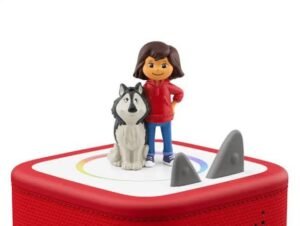
Why Screen-Free Entertainment Matters More Than Ever
Today’s children are growing up surrounded by digital devices. Smartphones, tablets, televisions, gaming consoles, and even smart appliances compete for their attention from an early age. While technology offers many educational opportunities, excessive screen exposure has become one of the biggest concerns among parents and child development experts. Families are increasingly searching for alternatives that encourage creativity without completely eliminating technology from everyday life. This growing demand has created the perfect environment for products like Tonies, which combine modern convenience with traditional storytelling in a way that feels engaging rather than overwhelming.
Screen-free entertainment provides benefits that extend well beyond reducing eye strain. When children listen to stories instead of watching animated visuals, their brains actively create characters, settings, and scenes through imagination. This mental visualization strengthens creativity, improves listening comprehension, and enhances cognitive development. Rather than passively consuming information, children become active participants in the storytelling process. They imagine castles, forests, superheroes, animals, and magical worlds entirely within their own minds. This ability to visualize stories plays an important role in developing literacy skills and creative thinking later in life.
Parents have also noticed that audio entertainment fits naturally into daily routines where screens often become distracting. Children can listen while building with blocks, drawing pictures, completing puzzles, or preparing for bedtime. Unlike videos that demand constant visual attention, audio stories encourage movement, imaginative play, and independent exploration. This flexibility helps children remain engaged without becoming overly dependent on visual stimulation. Many families report calmer evenings and smoother bedtime transitions after introducing screen-free listening habits into their routines.
The shift toward balanced technology use is becoming increasingly important in 2026. Schools, pediatric professionals, and parenting communities continue emphasizing the importance of limiting unnecessary screen exposure during early childhood while encouraging activities that support communication, creativity, and emotional development. Products like Tonies perfectly align with these recommendations by providing enriching entertainment that feels both educational and enjoyable. Rather than replacing technology altogether, Tonies demonstrates how thoughtful innovation can complement healthy childhood development, giving parents confidence that entertainment can still inspire learning, imagination, and meaningful family experiences without relying on a screen.
Growing Concerns About Screen Time
As digital technology becomes more deeply integrated into everyday life, conversations about children’s screen time have grown significantly louder. Parents today are raising children in a world where smartphones, tablets, smart TVs, and digital assistants are readily available in almost every household. While these devices provide educational opportunities and instant access to information, they also introduce challenges related to attention span, sleep quality, physical activity, and social interaction. Many families have begun questioning whether constant exposure to screens is the healthiest option for young children, especially during the critical years of early brain development. This growing awareness has encouraged parents to seek entertainment options that stimulate learning without requiring children to stare at a display for hours.
Health professionals and child development experts continue to recommend balanced media habits rather than unrestricted screen use. Research has suggested that excessive recreational screen time may reduce opportunities for imaginative play, face-to-face communication, and active exploration of the environment. Young children learn best by interacting with people, manipulating physical objects, and engaging in experiences that encourage curiosity. Audio storytelling supports these developmental needs because it allows children to move, play, draw, build, or simply relax while listening. Instead of being passive viewers, they become active thinkers who mentally construct scenes, voices, and adventures from the words they hear.
Another major concern involves bedtime routines. Many parents notice that children who spend extended periods watching videos before sleep often struggle to settle down afterward. Bright screens, fast-paced animations, and constant visual stimulation can make it difficult for young minds to transition into a calm, restful state. Audio storytelling offers a refreshing alternative by creating a peaceful atmosphere without visual distractions. Gentle narration, calming music, and familiar voices help establish predictable bedtime habits that many families find easier to maintain. Products like Tonies have become popular partly because they transform bedtime from another screen session into a comforting storytelling ritual that children genuinely look forward to each evening.
The conversation around screen time has also shifted from simply counting hours to evaluating the quality of children’s media experiences. Parents increasingly ask whether a product encourages learning, creativity, emotional development, and independent thinking. Tonies addresses these priorities by replacing passive viewing with interactive listening. Children choose a character, start a story independently, and imagine the adventure in their own minds. This simple yet powerful change explains why so many families in 2026 are moving toward audio-first entertainment. Instead of eliminating technology altogether, they are choosing technology that supports healthy childhood development while reducing unnecessary dependence on screens.
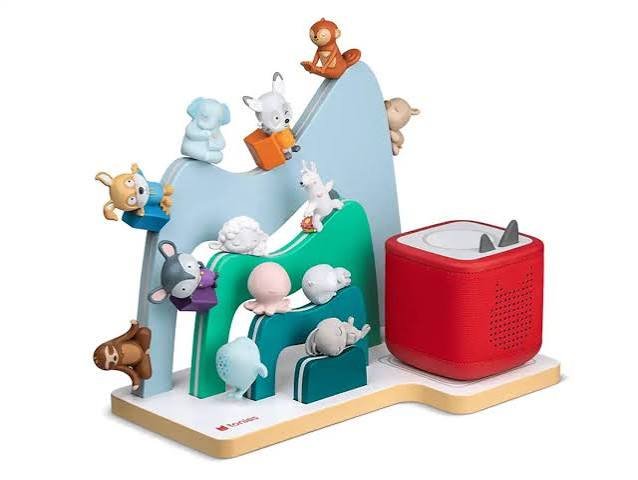
The Rise of Audio Learning
Audio learning has experienced remarkable growth in recent years, extending far beyond podcasts and audiobooks for adults. In 2026, children are increasingly benefiting from educational audio experiences that combine storytelling, music, language practice, and interactive lessons in a format that feels enjoyable rather than instructional. Parents have realized that children often absorb information more effectively when they are listening actively instead of watching passively. Whether learning new vocabulary, exploring science topics, practicing counting skills, or discovering different cultures, audio content encourages concentration while leaving room for imagination to flourish. This educational approach has helped products like Tonies become trusted companions for families seeking meaningful learning opportunities at home.
Listening plays a fundamental role in early childhood development. Before children become confident readers, they build language skills by hearing conversations, songs, and stories. Rich vocabulary, expressive narration, and repeated storytelling strengthen comprehension, pronunciation, and communication abilities. Audio learning naturally reinforces these foundational skills because children hear proper sentence structure, emotional expression, and varied vocabulary during every listening session. Over time, repeated exposure to engaging stories helps improve memory, listening endurance, and verbal confidence. These benefits are particularly valuable for preschool and early elementary learners who are developing the building blocks needed for future academic success.
Another reason audio learning continues gaining popularity is its flexibility. Unlike screen-based lessons that require constant visual attention, audio can accompany many daily activities. Children can listen while coloring, solving puzzles, building with construction toys, riding in the car, or preparing for bedtime. This multitasking capability allows learning to become a seamless part of everyday life instead of feeling like a formal educational session. Parents appreciate this convenience because it creates opportunities for productive engagement during moments that might otherwise involve passive screen consumption. Even short listening sessions throughout the day can reinforce important concepts while keeping children entertained.
The expanding library of educational Tonies has also contributed to the rise of audio learning. New releases now include topics ranging from emotional intelligence and mindfulness to history, nature, mathematics, foreign languages, and creative problem-solving. Combined with personalized Creative-Tonies, families can tailor learning experiences to match a child’s interests and developmental stage. This ability to blend entertainment with education has positioned Tonies as much more than an audio player—it has become a practical learning tool that supports literacy, curiosity, and lifelong learning habits. As parents continue prioritizing high-quality educational experiences in 2026, audio learning is expected to remain one of the fastest-growing trends in children’s technology and early childhood education.
Key Reasons Parents Love Tonies in 2026
The growing success of Tonies is not the result of a single standout feature. Instead, it comes from a thoughtful combination of child-friendly design, educational value, safety, and convenience that fits naturally into modern family life. Parents in 2026 are looking for products that do more than simply entertain—they want toys that support healthy development, encourage independent play, and provide lasting value. Tonies checks all of these boxes while remaining simple enough for even very young children to use confidently. Rather than overwhelming families with endless apps or complicated settings, it focuses on delivering a smooth and enjoyable experience from the moment a child places a Tonie character on the Toniebox.
One of the biggest reasons parents continue recommending Tonies is its ability to encourage independent play. Young children quickly learn how to choose their favorite character, start a story, adjust the volume, and skip tracks without asking for help. This independence builds confidence while giving parents a few valuable moments to complete household tasks or simply relax nearby. At the same time, the audio content encourages children to imagine scenes, create their own adventures, and interact with physical toys instead of sitting passively in front of a screen. The result is a healthier balance between technology and traditional play, something many families actively seek in today’s digital world.
Educational benefits also play a significant role in Tonies’ growing reputation. Stories introduce children to new vocabulary, songs strengthen memory through repetition, and educational collections explore subjects ranging from emotions to science and nature. Listening regularly helps improve concentration, comprehension, and communication skills without making learning feel like homework. Many parents notice that children begin repeating new words, asking thoughtful questions, and retelling stories in their own creative ways. These small but meaningful improvements reinforce the idea that entertainment and education do not have to exist separately.
Parents also value the long-term versatility of the Tonies ecosystem. As children grow, their interests naturally evolve, and the expanding library of Tonie characters allows families to continue discovering age-appropriate content without replacing the core device. Younger children may begin with nursery rhymes and bedtime stories, while older listeners can explore adventure tales, educational topics, and language-learning content. This scalability makes Tonies a worthwhile investment rather than a toy that quickly loses its appeal. Combined with its durable construction, intuitive controls, and growing collection of licensed characters, these qualities explain why Tonies has become one of the most trusted children’s entertainment platforms among parents in 2026.
Easy for Toddlers to Use
Ease of use is one of the defining features that separates Tonies from many other children’s technology products. Most electronic devices require touchscreens, menus, passwords, or multiple buttons that can confuse younger users. The Toniebox, however, has been designed specifically for toddlers and preschoolers who are still developing fine motor skills and learning basic cause-and-effect relationships. By keeping interactions simple and intuitive, Tonies allows children to enjoy stories and music independently from an early age. This thoughtful design reduces frustration while encouraging confidence and self-reliance.
The process is remarkably straightforward. A child simply selects a Tonie character, places it on top of the Toniebox, and the corresponding audio begins automatically. To pause playback, the character is lifted off the box. Volume is adjusted by gently squeezing the soft ears, while tapping the sides skips forward or backward through tracks. These natural gestures feel more like play than operating a piece of technology. Because there are no complicated interfaces, children spend less time figuring out controls and more time enjoying stories, songs, and educational content.
Parents frequently mention that this independence becomes one of the Toniebox’s greatest strengths. Young children quickly learn to make their own listening choices without constantly asking adults for assistance. Whether selecting a bedtime story before sleep or choosing cheerful songs during playtime, they gain a sense of ownership over their entertainment. This independence also creates opportunities for parents to step back while remaining confident that their child is engaging with safe, age-appropriate content. Unlike many digital devices, there is little risk of children accidentally accessing unsuitable material or becoming distracted by advertisements and unrelated apps.
The physical interaction involved in using Tonies also contributes to healthy childhood development. Picking up characters, placing them on the Toniebox, and controlling playback through simple movements encourages coordination and fine motor practice. At the same time, children develop decision-making skills as they choose which stories they want to hear and when they want to listen. These seemingly small interactions help transform the Toniebox from a passive entertainment device into an engaging learning tool. By combining intuitive controls with imaginative storytelling, Tonies has created an experience that even the youngest family members can enjoy confidently and independently, making it one of the most parent-friendly children’s products available in 2026.
Educational Storytelling
One of the strongest reasons parents continue choosing Tonies in 2026 is the platform’s commitment to educational storytelling. While many children’s entertainment products focus primarily on keeping kids occupied, Tonies blends fun with meaningful learning experiences. Every story, song, or educational lesson is designed to engage young listeners while helping them develop essential cognitive, emotional, and communication skills. Instead of simply watching animated characters solve problems on a screen, children actively listen, imagine, and interpret the story in their own minds. This process strengthens creativity and critical thinking in ways that passive visual entertainment often cannot.
Stories have always played a vital role in childhood development, and Tonies embraces this tradition using modern technology. As children listen to adventures, fairy tales, historical narratives, or educational lessons, they naturally expand their vocabulary and improve language comprehension. They encounter new words in meaningful contexts, making it easier to understand and remember them. Regular listening also improves attention span because children must follow characters, plot developments, and conversations without visual cues. Over time, these listening habits contribute to stronger reading readiness, better communication skills, and improved classroom performance.
Another valuable aspect of Tonies’ educational content is its emphasis on emotional intelligence. Many stories introduce themes such as kindness, empathy, friendship, courage, honesty, perseverance, and resilience. Children learn how characters overcome challenges, resolve conflicts, and express emotions in healthy ways. These lessons often become conversation starters between parents and children, allowing families to discuss feelings, relationships, and real-life situations together. Instead of delivering obvious moral lessons, Tonies presents these values naturally through engaging storytelling, making them easier for young listeners to understand and remember.
Educational storytelling also encourages curiosity beyond the audio experience itself. A child who listens to a story about dinosaurs may later ask questions about prehistoric animals. A space adventure could spark an interest in planets and astronomy, while a fairy tale might inspire imaginative drawing or pretend play. In this way, Tonies becomes more than an entertainment platform—it serves as a gateway to lifelong learning. Parents appreciate that every listening session has the potential to inspire conversations, creative activities, and new discoveries, making educational storytelling one of the platform’s greatest strengths in 2026.
Safe and Durable Design
When purchasing products for young children, safety is one of every parent’s highest priorities. Tonies has earned widespread trust because its products are specifically designed to withstand the realities of everyday family life. Toddlers and preschoolers naturally explore the world through touching, carrying, dropping, and occasionally throwing their toys. Unlike delicate electronic devices that require constant supervision, the Toniebox has been engineered to handle rough play while maintaining reliable performance. This child-first approach gives parents confidence that the product can survive years of daily use without becoming fragile or unsafe.
The Toniebox features a soft fabric exterior that cushions minor impacts and makes it comfortable for children to hold. Rounded corners eliminate sharp edges, reducing the likelihood of accidental injuries during play. The controls are intentionally simple and integrated into the design rather than relying on small buttons that can break or become difficult for little hands to operate. Because children interact primarily with physical gestures—placing characters, tapping the sides, and squeezing the ears—the overall experience feels intuitive while minimizing mechanical wear. This thoughtful engineering contributes significantly to the product’s long lifespan.
Safety extends beyond physical construction. Parents also appreciate the controlled listening environment that Tonies provides. Unlike internet-connected tablets or smartphones, the Toniebox does not expose children to online advertisements, social media, or unexpected content recommendations. Every story is intentionally selected through Tonie characters or Creative-Tonies, giving families complete control over what children hear. This curated experience removes many of the concerns associated with unrestricted digital devices and helps parents maintain confidence that the content remains appropriate for their child’s age and developmental stage.
The durability of the Tonies ecosystem also delivers excellent long-term value. Many families report using the same Toniebox for several years while gradually expanding their collection of Tonie characters as children grow. Because the system is built to accommodate changing interests, parents rarely feel pressured to replace the device itself. New stories, educational lessons, and licensed characters can simply be added to the existing collection, extending the life of the investment. This combination of physical durability, child-friendly safety features, and long-term usability explains why Tonies has become one of the most trusted children’s audio products among parents in 2026.
Expanding Content Library
One of the biggest strengths behind Tonies’ continued success is its constantly expanding content library. A great hardware product can quickly lose its appeal if fresh content isn’t available, but Tonies has avoided this challenge by consistently introducing new stories, songs, educational collections, and licensed characters. In 2026, families have access to hundreds of audio experiences covering a wide variety of interests, age groups, and learning goals. This ever-growing catalog ensures that children rarely outgrow the platform because there is always something new to discover.
The diversity of available content is one of Tonies’ greatest advantages. Younger children can enjoy nursery rhymes, lullabies, and simple bedtime stories that help establish comforting daily routines. As they grow older, they can explore fairy tales, adventure stories, educational lessons, historical narratives, science topics, mindfulness exercises, and language-learning collections. Licensed partnerships with beloved entertainment brands add even more excitement by bringing familiar characters and popular stories into the Tonies ecosystem. This broad selection allows parents to personalize their child’s listening experience according to age, interests, and developmental needs.
Creative-Tonies further expand the possibilities by allowing families to create completely personalized audio experiences. Parents can upload recordings of bedtime stories, grandparents can send messages from across the world, and teachers can create educational lessons tailored to classroom learning. This flexibility transforms the Toniebox into a highly personal storytelling platform rather than a closed entertainment system. Many families cherish these custom recordings because they preserve meaningful voices and memories that children can revisit whenever they choose.
The continuous release of new content also keeps children engaged over the long term. Instead of abandoning the device after a few months, families often celebrate birthdays, holidays, or academic achievements by adding another Tonie character to the collection. Each new figure introduces fresh stories and learning opportunities while maintaining compatibility with the existing Toniebox. This gradual expansion creates excitement similar to collecting books in a home library, except each addition brings an interactive listening experience. By continually enriching its catalog with educational, entertaining, and personalized content, Tonies has built an ecosystem that grows alongside children, making it one of the most sustainable and rewarding investments for parents in 2026.
Creativity and Imagination
One of the most remarkable advantages of Tonies is its ability to fuel a child’s creativity and imagination. Unlike television shows or mobile games that present every character, location, and action visually, audio storytelling leaves those details to the listener. As children hear a dragon roar, a pirate sail across the ocean, or an astronaut travel through space, they build those scenes entirely in their minds. This process exercises the imagination like a muscle, becoming stronger every time children listen to a new story. The result is an entertainment experience that is active rather than passive, encouraging children to become creators instead of simply consumers.
Imaginative thinking also extends into everyday play. After listening to a story, children often recreate adventures using building blocks, dolls, stuffed animals, art supplies, or outdoor games. A fairy tale may inspire a homemade castle, while an animal story might lead to pretend safaris around the living room. These spontaneous activities reinforce storytelling skills while improving problem-solving and social interaction. Parents frequently notice children inventing new endings, introducing original characters, or combining different stories into entirely new adventures. This type of creative expression plays a vital role in developing flexible thinking and emotional intelligence.
Creativity also contributes to confidence. When children imagine solutions, invent characters, or tell their own stories, they learn that their ideas have value. There is no “right” or “wrong” way to picture a magical forest or a friendly dinosaur, giving every child the freedom to interpret stories in their own unique way. This sense of ownership encourages independent thinking and curiosity, qualities that support lifelong learning. Even Creative-Tonies contribute by allowing families to record personalized stories, encouraging children to become storytellers themselves rather than simply listeners.
The imaginative benefits of Tonies continue long after the audio stops playing. Children often carry story themes into conversations, drawings, school activities, and role-playing games. They begin asking questions about history, science, animals, or different cultures after hearing educational stories that spark their curiosity. These moments demonstrate that the platform is doing much more than providing entertainment—it is inspiring exploration, creativity, and intellectual growth. In a world where many forms of digital entertainment dictate exactly what children should see, Tonies offers something refreshingly different: the freedom to imagine.
Better Sleep and Bedtime Routines
Bedtime can be one of the most challenging parts of the day for families with young children. Many parents struggle to transition energetic children from active play to restful sleep, particularly when screens have become part of the evening routine. Bright displays, exciting animations, and fast-moving videos can overstimulate young minds, making it harder for children to relax before bedtime. Tonies offers an appealing alternative by replacing visual stimulation with calming audio experiences that naturally support healthier sleep habits.
Bedtime stories have always been a cherished family tradition, and Tonies modernizes that experience without replacing its emotional warmth. Children can choose their favorite bedtime character, place it on the Toniebox, and listen to soothing stories or gentle lullabies while preparing for sleep. This consistency creates a comforting bedtime ritual that children begin to anticipate each evening. Predictable routines help young children feel secure, making it easier for them to relax and transition into sleep. Parents also appreciate that the Toniebox allows children to enjoy stories independently when needed, while still preserving opportunities for shared family listening.
Calming audio content can also reduce bedtime anxiety. Stories featuring gentle narration, peaceful music, or familiar voices create a reassuring atmosphere that helps children unwind after busy days. Personalized recordings on Creative-Tonies add another layer of comfort by allowing parents or grandparents to record bedtime messages or favorite stories. Children who are traveling, spending time away from home, or simply seeking reassurance often find these familiar voices especially comforting. This emotional connection transforms bedtime from a routine task into a positive bonding experience.
The benefits often extend beyond sleep itself. Families who establish consistent screen-free bedtime routines frequently report calmer evenings, fewer bedtime struggles, and smoother morning schedules. Children wake feeling more refreshed after restful sleep, supporting better mood, concentration, and overall well-being throughout the day. While every child is different, Tonies provides a gentle, engaging tool that helps many families replace stimulating evening screen time with peaceful storytelling. For parents seeking practical ways to create healthier bedtime habits in 2026, this may be one of the platform’s most valuable advantages.
Is Tonies Worth Buying in 2026?
For many parents, purchasing a Toniebox is more than buying another toy—it’s an investment in their child’s development, imagination, and daily routines. In 2026, the platform continues to justify its popularity by offering a unique combination of education, entertainment, durability, and ease of use. While the initial cost may be higher than some traditional toys, the long-term value becomes clear as families continue expanding their collection with new Tonie characters rather than replacing the core device. This growing ecosystem allows the product to remain engaging throughout multiple stages of childhood.
Families who prioritize screen-free learning often find Tonies especially worthwhile. Instead of relying on tablets or smartphones for entertainment, children gain access to hundreds of stories, songs, and educational experiences that encourage active listening and imagination. The intuitive controls make the system accessible even for toddlers, while the expanding content library ensures that older children continue discovering fresh material. Creative-Tonies further enhance value by allowing personalized recordings that preserve family memories and strengthen emotional connections.
Another important consideration is durability. Unlike many electronic toys that quickly wear out or become outdated, the Toniebox has been designed to withstand years of enthusiastic use. Its soft construction, simple controls, and backward compatibility with new Tonie characters mean families rarely need to replace the hardware itself. Instead, they simply add new content as their child’s interests evolve. This sustainable approach makes the platform more economical over time compared with frequently replacing short-lived toys or upgrading digital devices.
Ultimately, Tonies delivers far more than entertainment. It supports literacy, creativity, language development, emotional learning, and healthy daily routines while giving children the freedom to explore stories independently. Parents appreciate its balance of technology and traditional storytelling, and children love the interactive experience of collecting and using Tonie characters. These combined strengths explain why Tonies has become one of the most recommended children’s audio platforms in 2026 and why so many families consider it a worthwhile addition to their homes.
Conclusion
The growing popularity of Tonies in 2026 reflects a broader shift in how families think about children’s entertainment. Parents are increasingly seeking products that encourage learning without excessive screen exposure, foster creativity instead of passive consumption, and support meaningful family experiences. Tonies successfully meets these expectations by transforming storytelling into an interactive, hands-on activity that children can enjoy independently. Its simple controls, durable design, expanding content library, and educational focus make it much more than an audio player.
As technology continues evolving, families do not necessarily want less technology—they want better technology. Tonies demonstrates that innovation can enhance childhood without replacing imagination or human connection. By combining physical play, rich storytelling, personalized recordings, and educational content, the platform creates lasting value that extends well beyond entertainment. For parents looking to encourage curiosity, language development, creativity, and healthier daily routines, Tonies remains one of the most compelling investments available in 2026.
Read Also:
Shopify Review 2026: Is It the Best Platform for Building Online Stores?
JustAnswer Explained: How It Works and What You Get for Your Money
Envato Tips & Tricks for Maximizing Your Creative Workflow
How Envato Placeit Helps You Create Stunning Mockups Quickly
Why Envato Market is Best for Designers and Developers
Frequently asked questions
Tonies is generally designed for children aged 3 years and older, although many families introduce the Toniebox earlier under adult supervision. The wide variety of content means it can continue entertaining children throughout their early elementary years.
Yes. Wi-Fi is mainly required for the initial setup and downloading new content. Once stories are stored on the Toniebox, children can enjoy them offline without an internet connection.
Absolutely. Creative-Tonies allow parents, grandparents, teachers, and relatives to upload personalized recordings, bedtime stories, songs, or educational lessons, making the listening experience even more meaningful.
Tonies combines both. Alongside songs and stories, the platform offers educational content that supports vocabulary development, emotional intelligence, literacy, creativity, and early learning skills.
Its popularity is driven by growing demand for screen-free entertainment, expanding educational content, intuitive child-friendly design, collectible characters, personalized storytelling options, and its ability to support healthy childhood development while keeping children engaged.